14 Things, China!
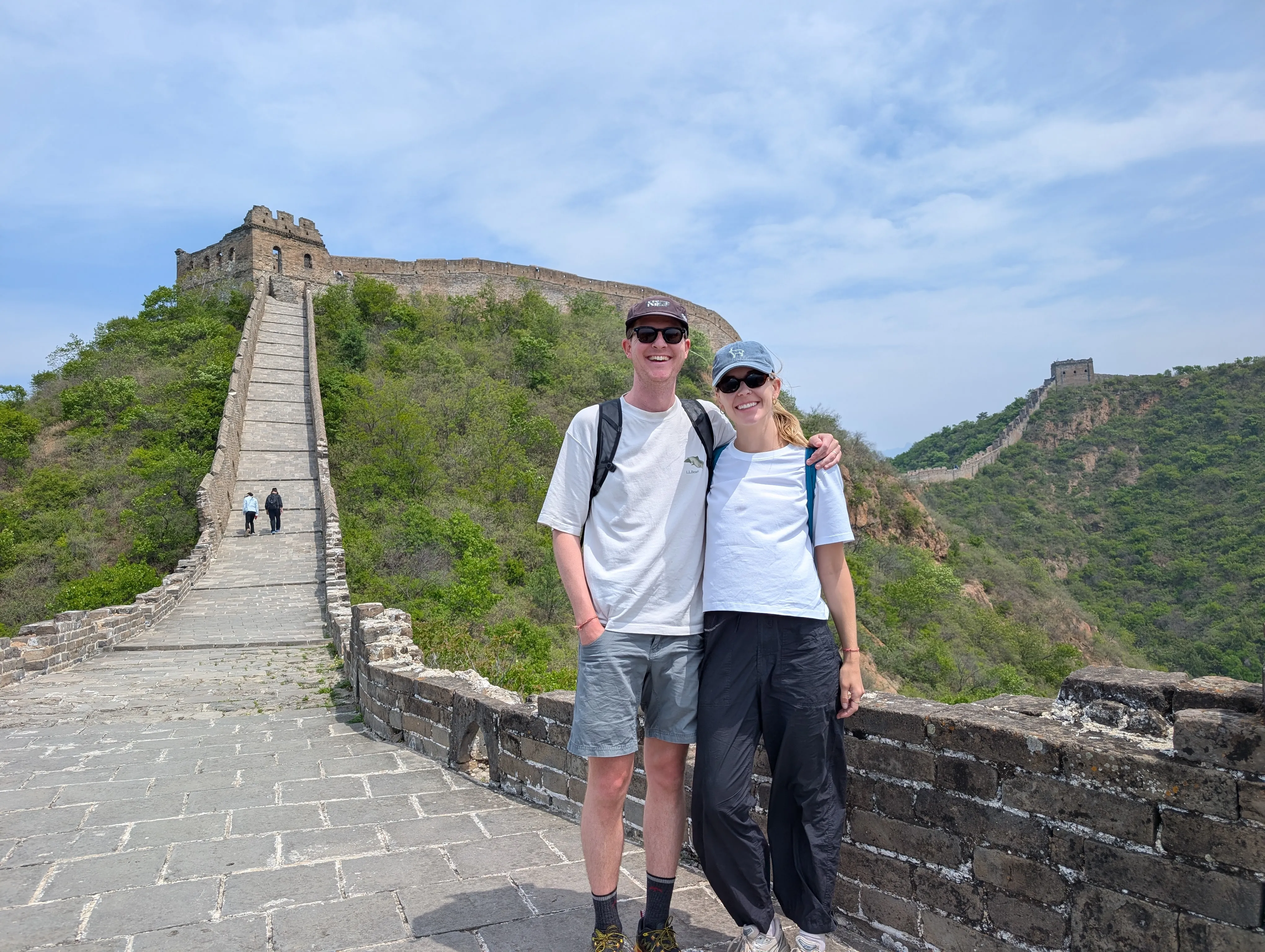
Paul and I spent the months of May and June traveling through China by train. When we started planning this trip, China was the one country that we were absolutely certain we wanted to visit. Our reasons were many, but chief among them were our curiosity towards the expansive and enigmatic country, our love of Chinese food, and our interest in China’s natural landscapes and national parks. It was an incredible eight and a half weeks, and we’ll be talking about our experiences here for the rest of our lives. Below is a brain dump of some of the interesting, amazing, flummoxing things we encountered during our time here, but it is in no way an exhaustive account of our journey. More blog posts to come, but for now, enjoy 12 Things, China!
Beijing (Paul)
Beijing is entirely different from any other city in Asia that Makeda or I have visited. We assumed it would be similar to places like Tokyo, Bangkok, Seoul, or Singapore: dense, vertical, bustling, compact, and a mixture of old and new. Beijing is none of these things. Instead of narrow, labyrinthine side streets there are massive eight-lane intracity highways. In place of vertical density there is low, expansive, concentric sprawl. The roar of buses, cars, and scooters is replaced with the quiet whirr of an almost entirely electric transportation system. Street food stalls and markets are nowhere to be found, unless you seek out highly-touristed walking streets. And strangest of all, almost every remnant of ancient or historical China seems to have been demolished and replaced with modern, prosaic infrastructure. This is, of course, a historical reality: during the Cultural Revolution, Mao Zedong demanded destruction of historical and cultural materials to eradicate “old ways of thinking”. Luckily, some landmarks escaped this fate (i.e. The Forbidden City, which was protected due to its use as a holding ground for red guards by Zhou Enlai. See this article by Beijing Postcards, with whom we toured the Forbidden City during our visit.)
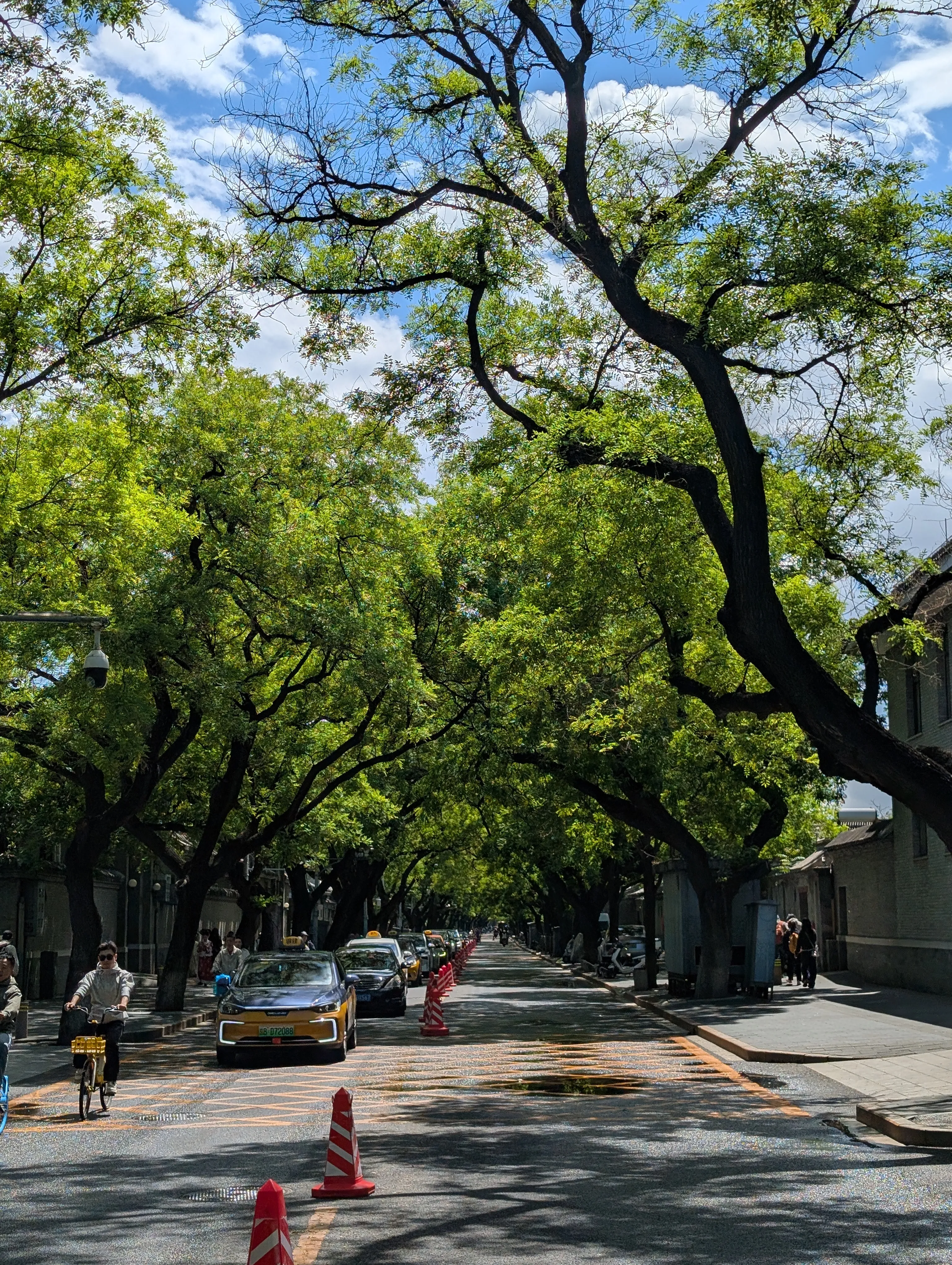 A shady street in central Beijing.
Makeda and I stayed with my cousin Sean, a foreign service officer at the U.S. Embassy in Beijing, and after sharing these observations with a colleague of his, he aptly said something like, “Oh, yeah. Beijing is basically Dallas.” Admittedly, I have never been to Dallas, but immediately this intuitively made sense. It is an absolutely massive metropolitan area dominated by perpetually clogged highways, where everything feels more spaced out than it needs to be. We didn’t feel a pull of any sort of cultural “center” to the city, but rather disparate nodes of character on a broad urban grid. Sure, the literal center of the city is occupied by major cultural landmarks: the Forbidden City, Tiananmen Square, and the Temple of Heaven, but these are tightly regulated and surveilled areas more akin to museums than neighborhoods.
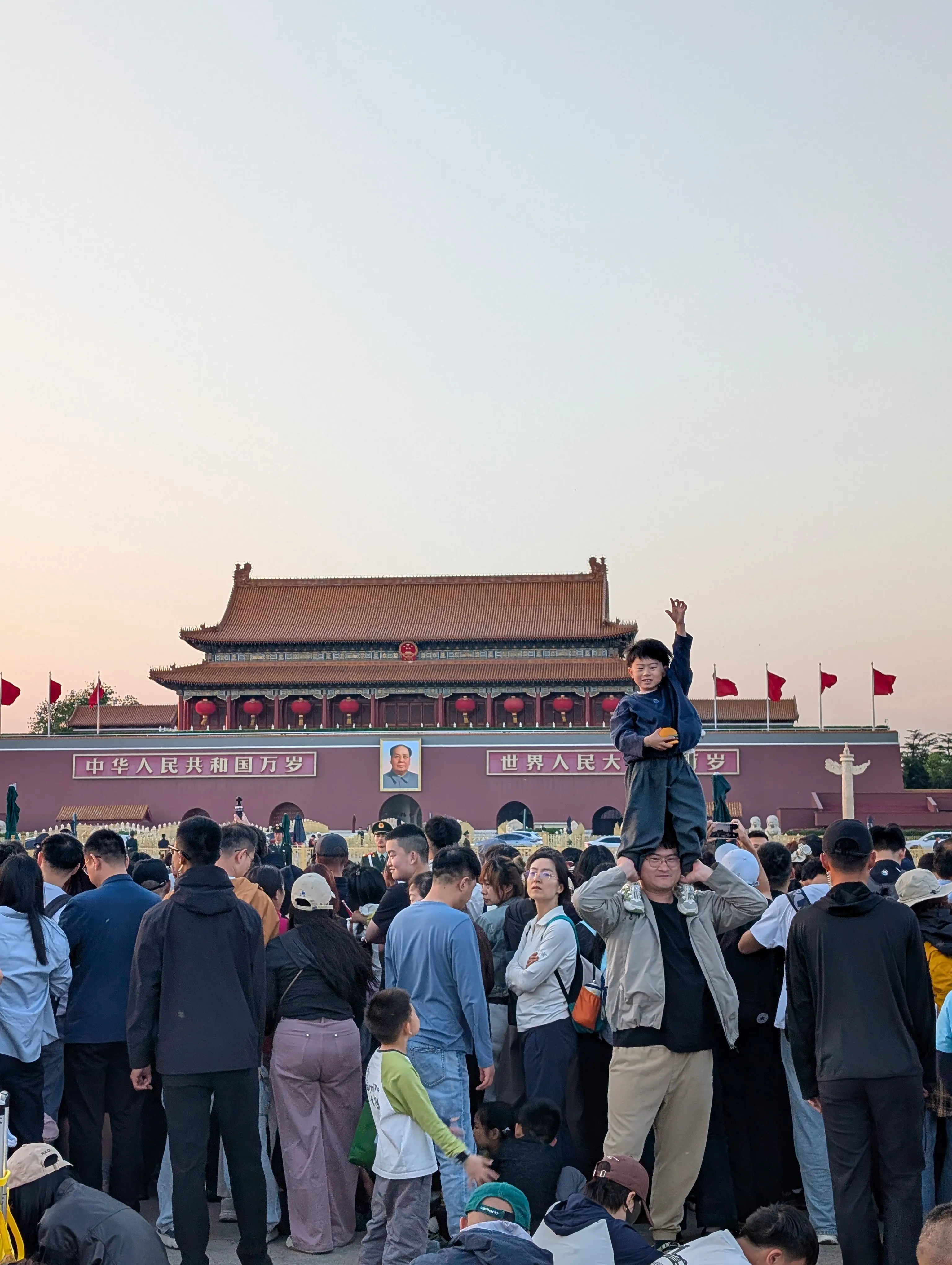 A boy in front of Chairman Mao’s portrait in Tiananmen Square.
This is not to say that Beijing is a bad city or not worth visiting, quite the contrary. The history, landmarks, and proximity to the Great Wall are incredible. It is simply different from what we expected, and somewhat ironically much more similar to the U.S. than other parts of Asia.
Biang character (Paul)
In Xi’an, Makeda and I enjoyed several delicious bowls of biang biang mien, a Shaanxi province speciality consisting of thick, slightly chewy noodles that are typically made by hand. The chef stretches out a strip of dough with both hands, then rhythmically bangs it up and down (hence the name) on a flat surface like a rubber band, gradually stretching and thinning the dough into a long strip. The noodles are then topped with various additions like chili oil, garlic, green onions, minced meat, and other herbs. Delicious.
While the noodles themselves are worthy of a post alone, we found the Chinese character for biang to be of unique interest. It is one of the most complex characters in all of Chinese, consisting of 58 strokes, and prior to 2020 there was no standardized way to represent the character on computers. Therefore, on many menus and signs that were otherwise written entirely in Chinese, we would see the lone pair of “biang biang” words. In some ways, though, it was even easier to spot the dish on menus that used the Chinese character.
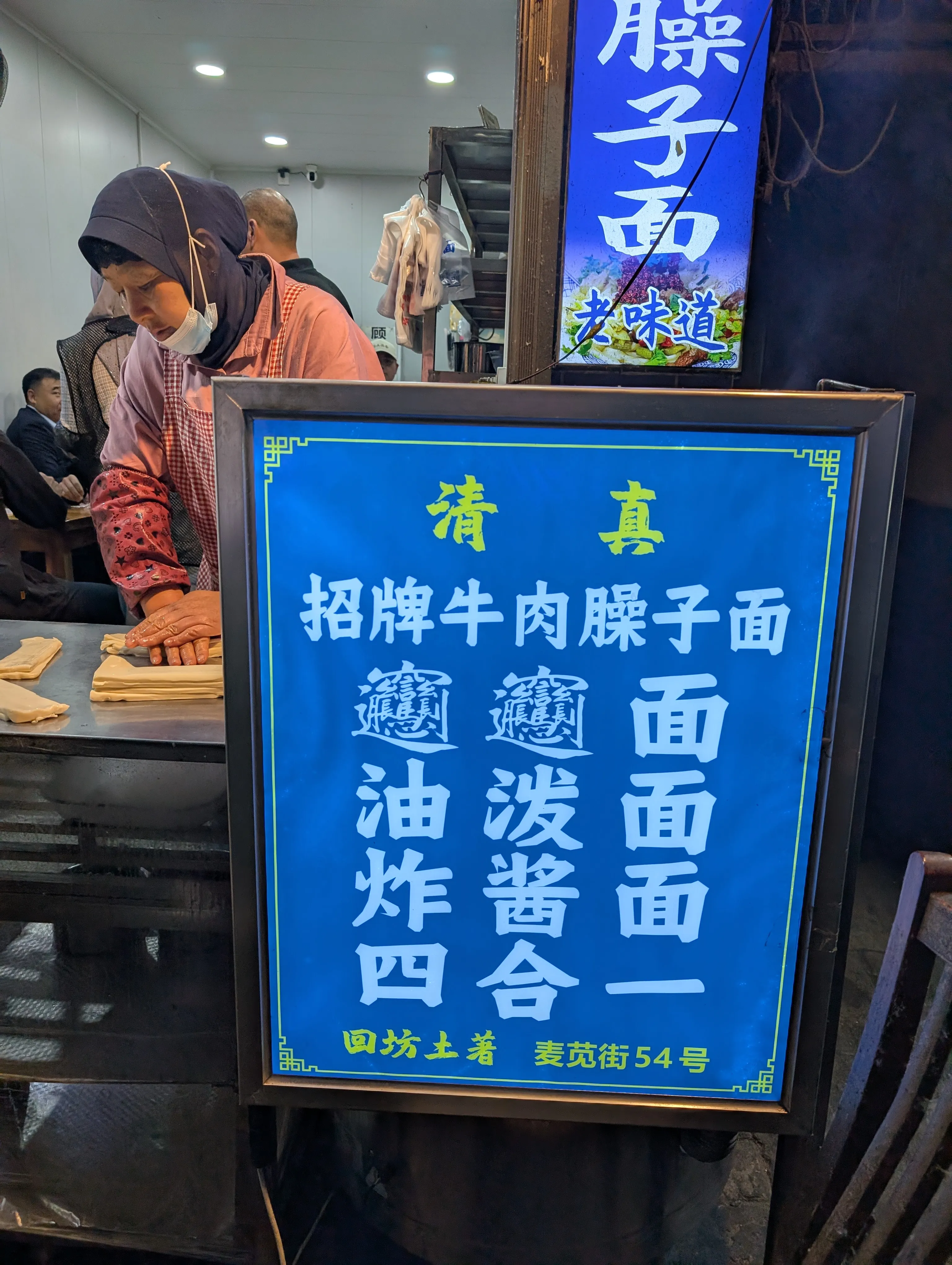 Biang biang noodles on a menu in Xi’an.
Raw garlic (Paul)
Restaurants in northern China commonly provide raw garlic to customers, alongside more personally familiar offerings such as soy sauce, chili oil, and vinegar. Initially I assumed there was some additional processing or preparation of the garlic before adding it to the meal, but no - just peel and toss it either in your dish or your mouth.
Earmaxxing (Makeda)
New body mod just dropped!!! The latest cosmetic surgery trend in China is elf or monkey ears. We’re unsure if this is unique to China or a part of the broader East Asia/K-beauty sphere, but it is the only place we’ve actually seen this surgery on people in real life. Basically, people are doing the opposite of an ear pinning surgery: they’re having cartilage added behind their ears to push the ear forwards, making them look larger from the front. The thinking is, apparently, that larger ears make the face look smaller, which is extremely desirable. I guess this is good news for anyone who ever got teased for having big or sticking-out ears, though I wonder how long it’ll take for the pendulum to swing back again, or introduce some new ear trend altogether. A sobering reminder that anything we’ve ever been taught to hate about our bodies is a construct. That’s capitalism, baby!
 An example of “monkey” ears from social media.
Kaidangku (Paul)
Kaidangku are Chinese trousers designed for infants and toddlers in which the crotch is left unsewn, allowing the wearer to urinate or defecate without lowering their pants. The garment is closely tied with historically pre-diaper Chinese toilet training, in which caregivers learn to notice when the child needs to relieve themselves, hold the child in a “bunched up position” over a toilet or receptacle, and make a consistent sound to help the child pee or poop. This training begins as early as one or two months after birth. In the West, this style of toilet training has been appropriated and named elimination communication. As the child grows into a toddler, they simply wear kaidangku so they may squat and go whenever the urge might arise, toilet not required.
Although kaidangku are less common today than in the past, they are not extinct. Imagine my surprise, then, when while relaxing in a park in Xi’an with Makeda, I turned my head and saw a toddler not twenty feet away pop a squat and lay a fresh one right on the walking path. His caregiver calmly wiped his butt, bagged the poop, and tossed it all in the nearby trashcan. Despite my initial shock, upon reflection the whole ordeal was in many ways much easier, faster, less disruptive, and cheaper than a diaper. On balance, I would rather not adopt the practice in the U.S., but I must admit there are some advantages.
Toilet Revolution (Paul)
Another reason that kaidangku are on the decline in China: there are public bathrooms everywhere. Don’t expect soap or paper towels, but anytime nature calls you can expect a decently clean and freely accessible toilet within a few hundred meters. Coming from New York City (and more broadly, the U.S.) in which you would be lucky not to poop your pants before finding a toilet, this has been revolutionary. And of course, it is no accident: in 2015, Xi Jinping said, “build more public bathrooms” and by 2017, 68,000 public bathrooms were built. This is known as the Toilet Revolution, and to my U.S. compatriots I say, “give me bathrooms, or give me death!”
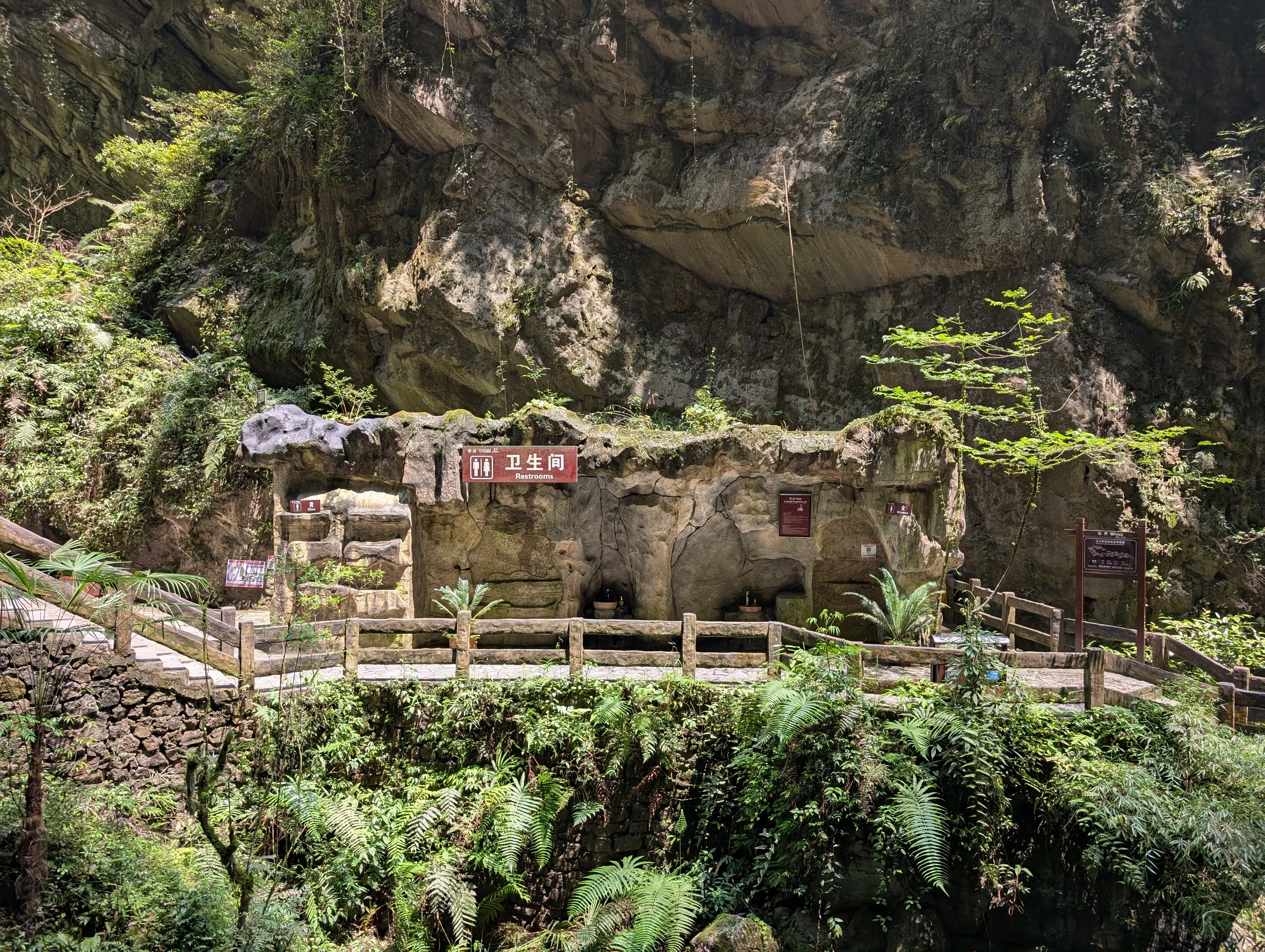 Bathrooms built into the Wulong gorge.
Badminton deserves what pickleball has (Paul)
Badminton is a drop-in replacement for pickleball that is better in every way. First, the similarities: both are net sports, require about the same amount of space, the same amount of equipment, and have a similar skill floor. Both require some movement but not too much, hand-eye coordination, and can be played with two or four players.
Here are the ways in which badminton is better than pickleball. First, it is quiet. Pickleball has been banned in cities simply due to the noise. Badminton has a satisfying, hollow, and quiet thunk when striking the shuttlecock while pickleball is a sharp, plastic, and loud thwack. Second, badminton can be played in more places and in more ways. For example, badminton can be played on sand, grass, dirt, or even shallow water. It also does not strictly require a net - two rackets and a shuttlecock are enough for a highly entertaining game of “catch” between two players. Pickleball, on the other hand, must be played on a flat, hard surface and always requires a net. Oh, you wanted to play pickleball at the beach? Too bad! Third, badminton players have the chance to be Olympians, pickleball players do not. Finally, badminton is more fun! The points are far more varied than pickleball, in which opponents invariably end up rooted in place near the net, thwacking it back and forth a few times before someone misses or overshoots. Badminton has spikes, drops, lobs, and allows for both power and finesse. Seriously, compare rallies at the highest levels between the two - there is no comparison.
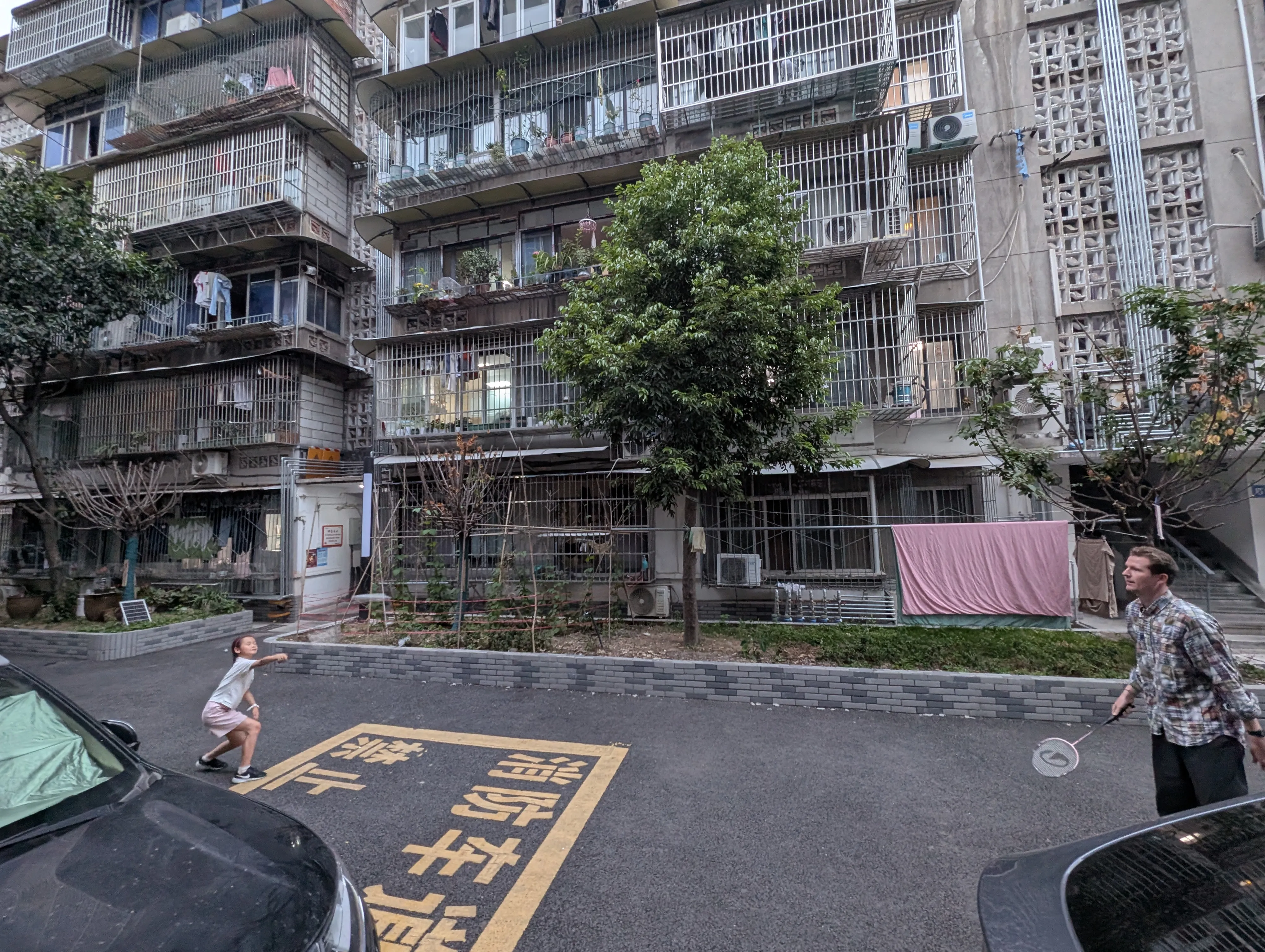 Pickup badminton in Chengdu.
Beijing bikini (Paul)
It is common practice for men in China to roll up their shirt to expose their bare midriff, typically on hot days or after a meal. This is known as the Beijing bikini, and is rooted in traditional Chinese medicine in which an exposed midriff is believed to facilitate the circulation of warm qi in the body. I don’t know if this is true or not, but after giving it a shot a few times after some big meals (much to Makeda’s dismay), I must admit it is quite liberating.
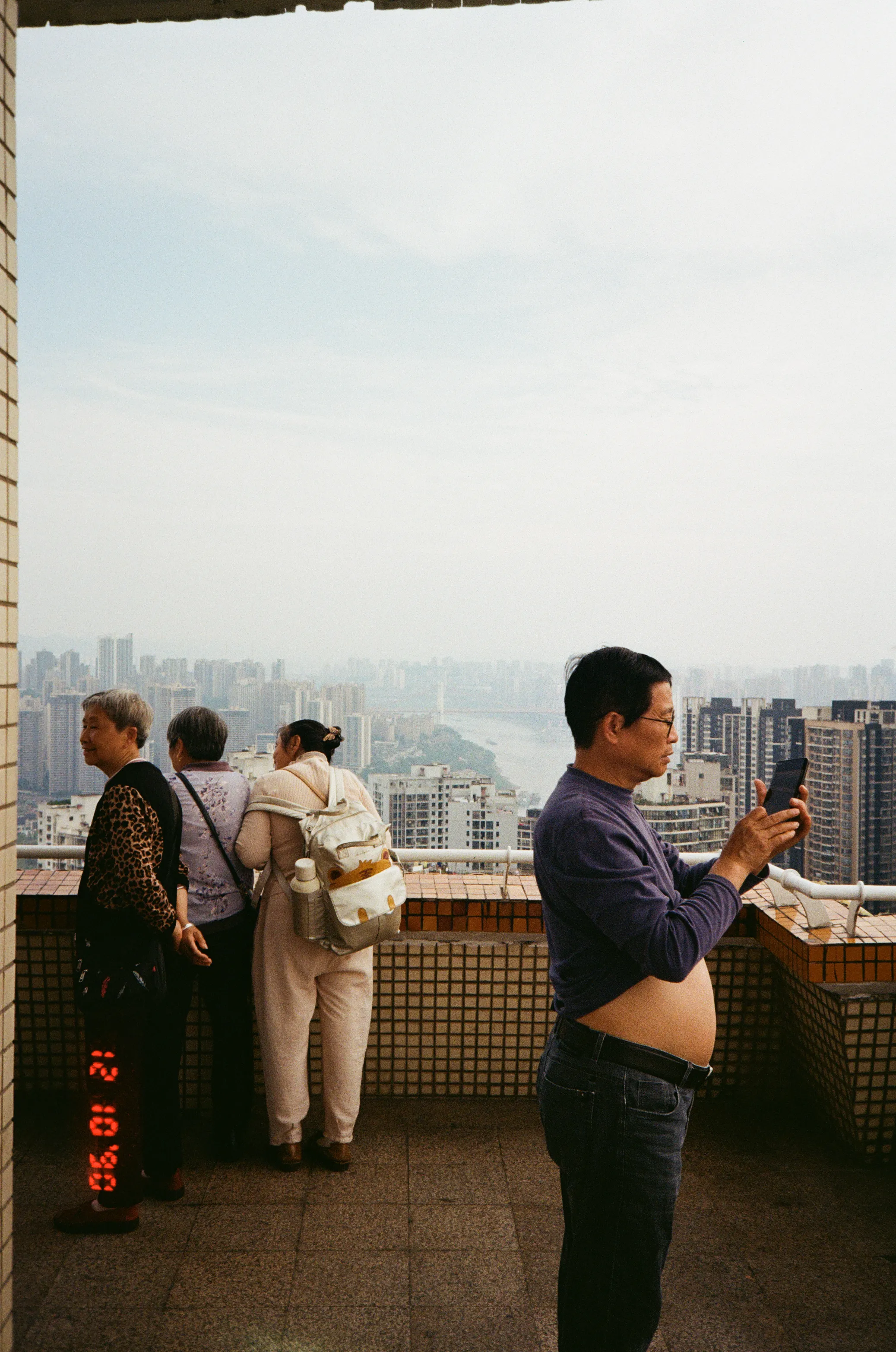 A man enjoying a Beijing bikini in Chongqing.
Spitting (Makeda)
It is very, very common for folks to hock loogies on the street here, and sometimes even indoors (though this was much more rare). Upon doing some research (read: reddit scrolling) I learned that some Chinese people think having excess mucus in the body is bad for the health, so expectorating is seen as a very healthy behavior. Unlike in India, where spitting is also very common (specifically, chewing and spitting betel leaves) but only by men, here in China both men and women are partaking. And by partaking, I mean spitting with a volume and intensity that a baseball player with a full lip of chew could only dream of. People engage in deep, earnest exploration of their throats. They are positively fracking their esophagus, sometimes over a period of several seconds, before gathering and expelling the fruits of their labor across the sidewalk.
While the majority seemed to be of the older generation, we saw plenty of young folks doing it too. It seems to be lightly discouraged in parks and common spaces due to some signs we saw, and effectively banned in Beijing. Everywhere else was fair game, though, including outdoor areas at restaurants. I have a big aversion to saliva and the hocking sound - as much as I try to ignore it, it unfortunately activates my gag reflex - so two months of hearing at least 5-10 of these a day was a bit rough for me, especially when eating a meal.
Realistic toy guns (Paul)
It was commonplace to see shops selling extremely realistic toy guns, as well as children running around “shooting” each other with them. Most were actually water guns and shot small spurts of water, but it was jarring for us to round corners and see kids running with ARs. Of course, real firearms are stictly controlled in China with almost zero citizen ownership. So despite the strangeness of the toys, we would take them any day over U.S. gun control policy.
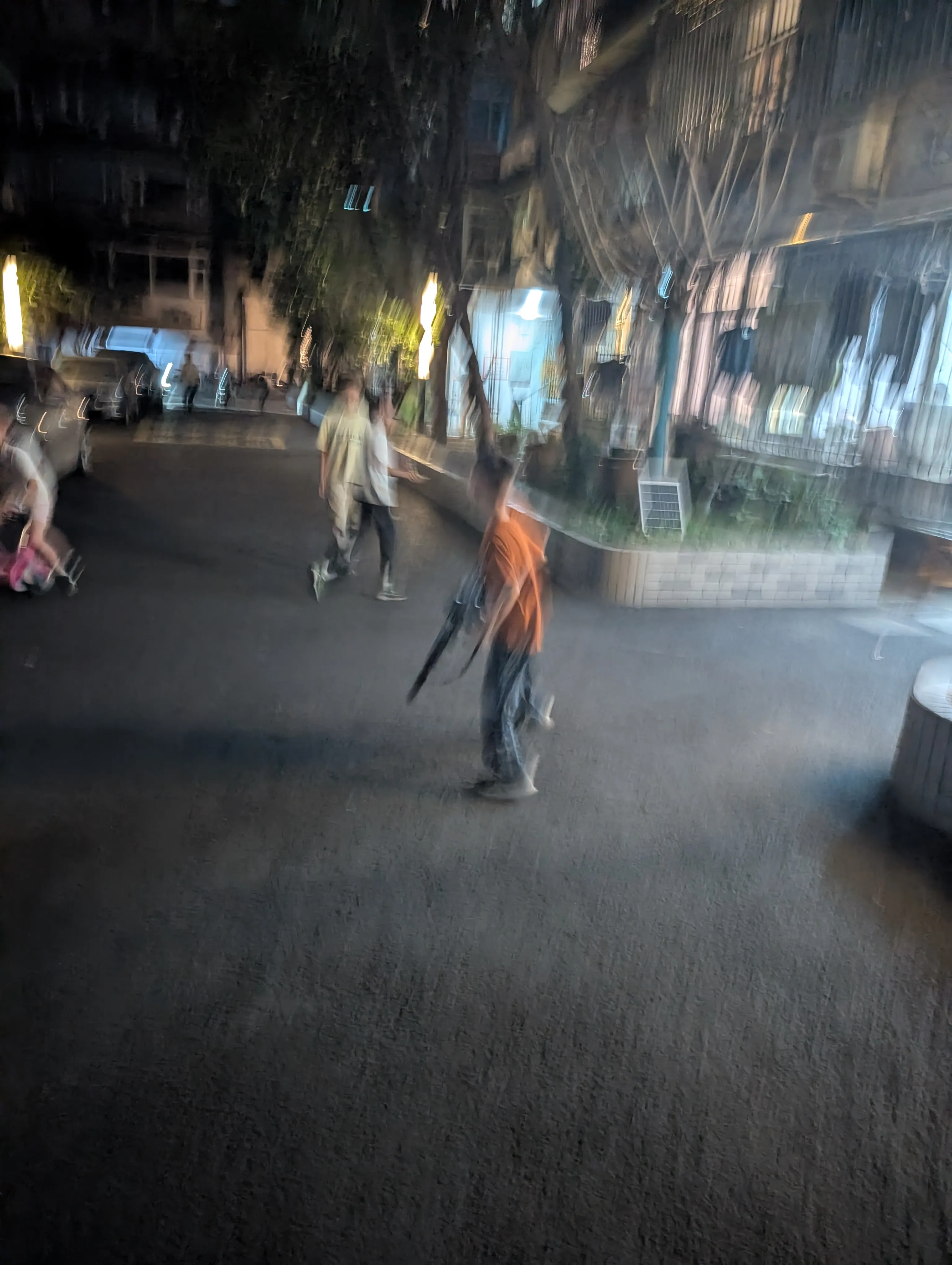 A child in Chengdu with a toy rifle.
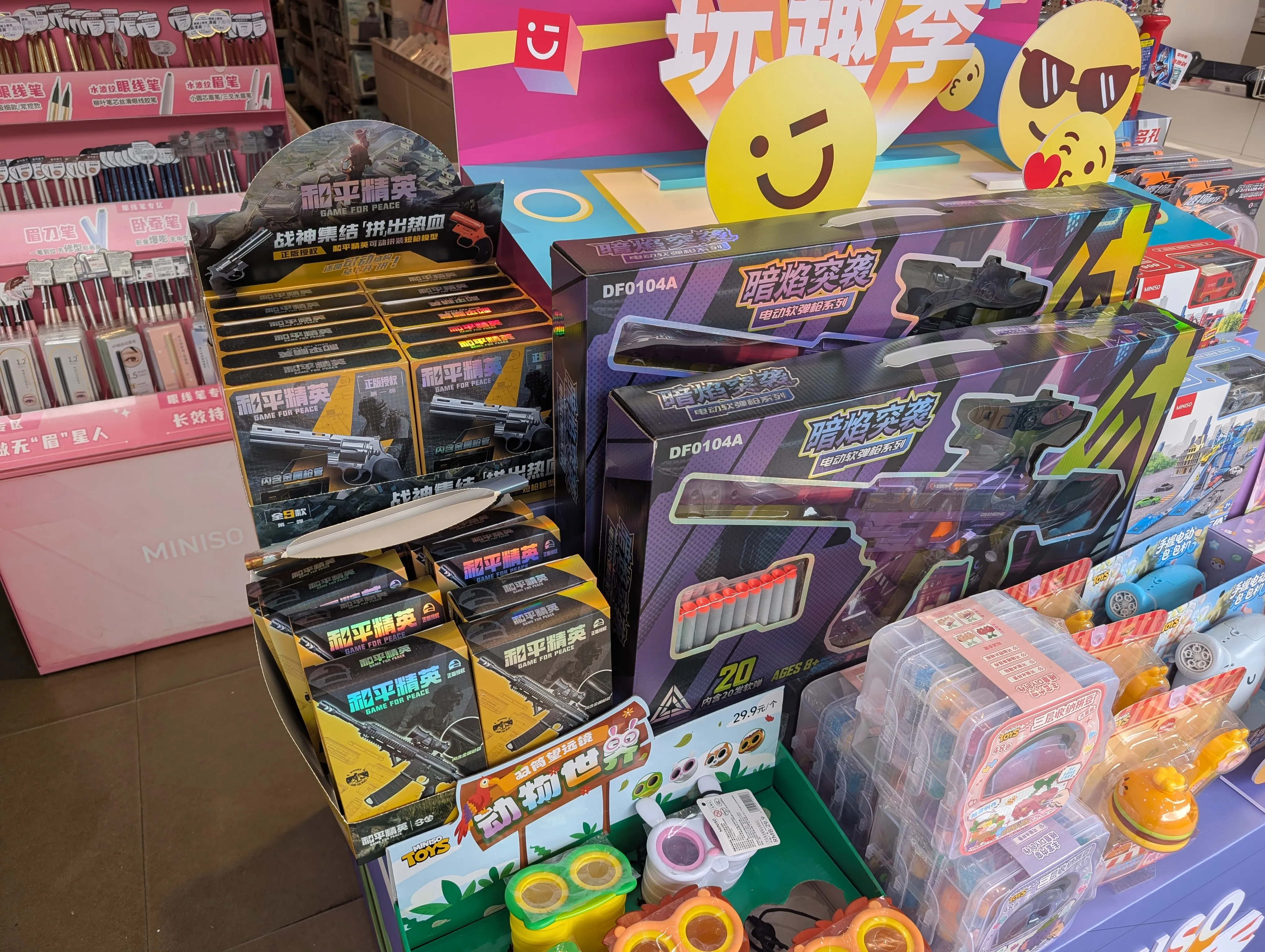 A store selling a variety of toy guns.
UPF Clothing (Makeda)
While this isn’t necessarily a trend unique to China, UPF clothing has this country in an absolute chokehold. Walk outside on a sunny day and it feels as though 80% of people are wearing super lightweight polyester jackets that come in about 4 colors (white, off white, pastel pink, pastel blue), oftentimes with hoods that have built-in visors.
As an obsessive sunscreen-and-hat-wearer myself, I can admit that while these jackets are about the least cool looking garments in the world, they are effective and, most importantly, a great alternative to constantly reapplying sunscreen or expanding and collapsing a sun umbrella. I even caved and bought one myself; please enjoy photo evidence.
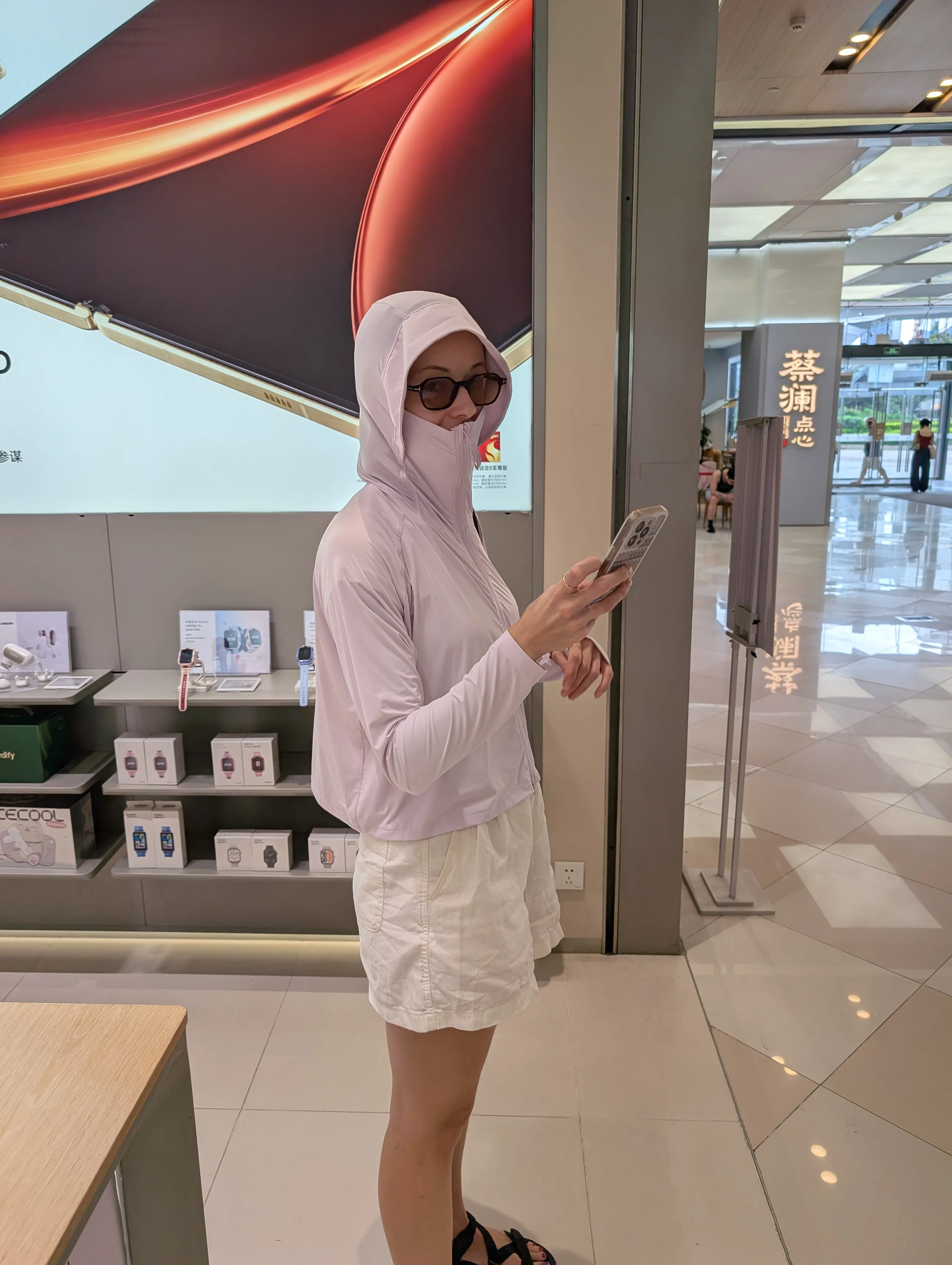 Makeda enjoying her new sun hoodie in Guangzhou.
After about ten minutes of wearing it, however, I was horribly regretting my choices: the fabric is not as breathable as it looks, and feels like plastic on the skin. I returned it the next day and resigned myself to my trusty hat and umbrella (one of the best things we brought on the trip, FYI).
The one UPF garment that did win me over completely was the one that made me look actually insane: a full face mask. I traded walking around like a Temu Hannibal Lecter for complete and total face sun coverage, which, when you’re hiking at 12,000 feet elevation at midday, is in my opinion a fair trade. Again, enjoy photo evidence. Unlike the sun jackets, I found the face mask quite breathable, and it was so nice to not have to think about reapplying sunscreen every 2 hours and then sweating it all off. I don’t currently have the guts to wear this in the States, but I could definitely see these becoming more popular in time. I’ll keep my mask tucked away and wait for the day.
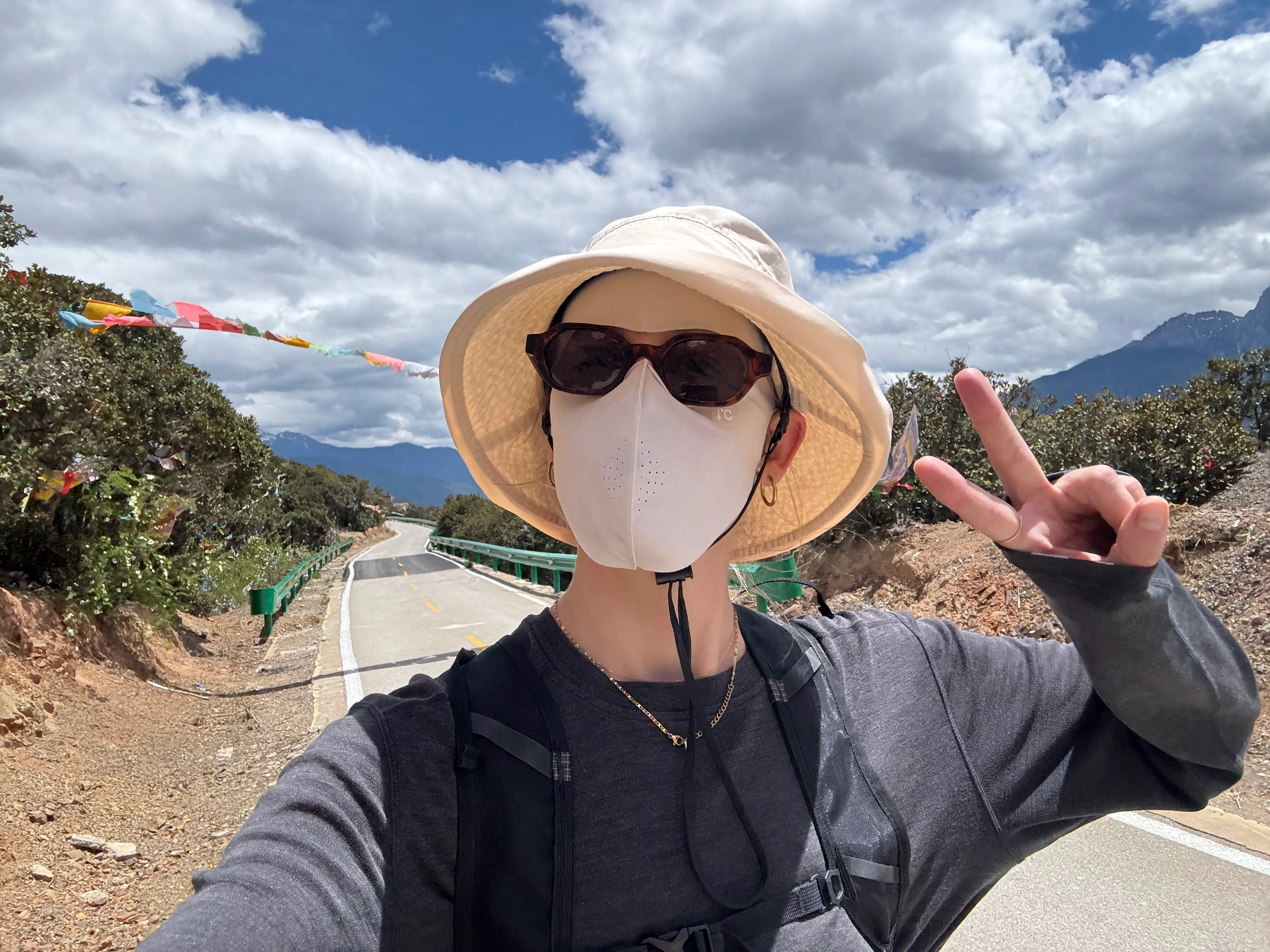 Makeda making good use of her sun protection gear.
Norah Jones, covers, and Christmas music (Paul)
We rarely heard Western music in China, but when we did it was either Norah Jones, a terrible cover of a top 40 song, or Christmas music. The Christmas music was particularly fun as we would be happily singing along to Jingle Bell Rock in the middle of June among other restaurant-goers who surely thought it was just some jazz or rock standard. Norah Jones was a head-scratcher — we “Don’t Know Why” (sorry) her music in particular made it through the broader media filter, but we didn’t mind!
Food (Makeda)
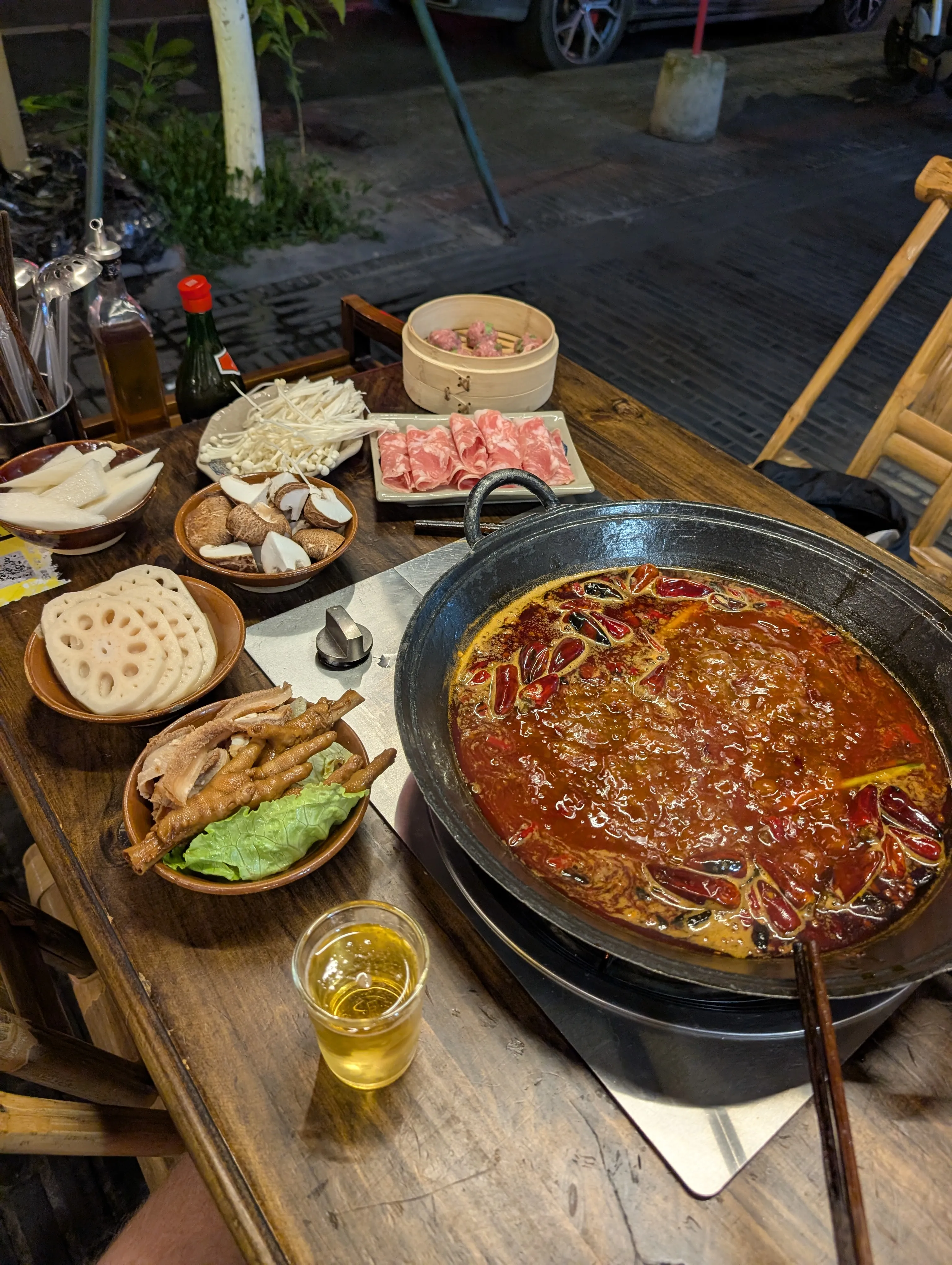
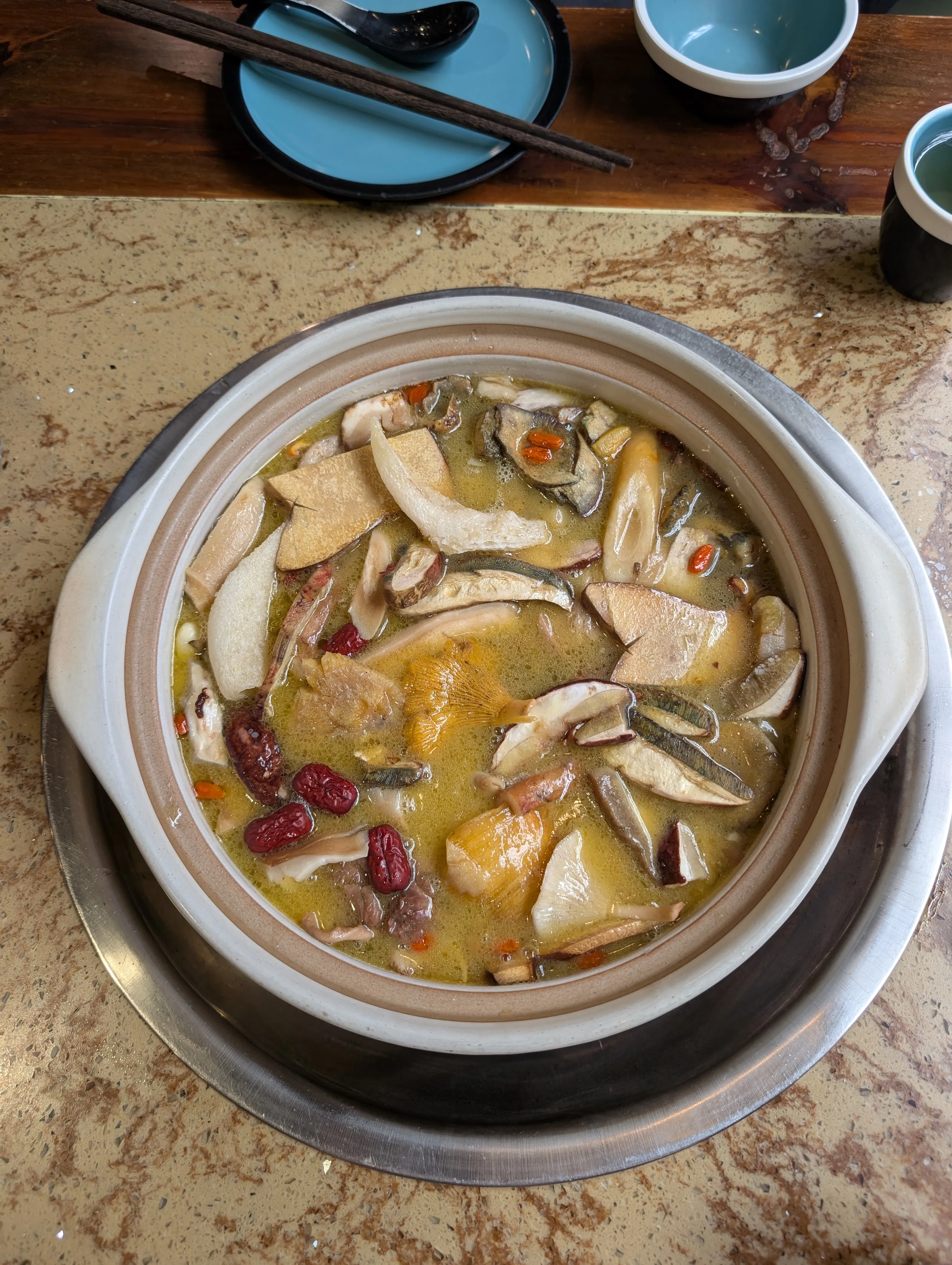
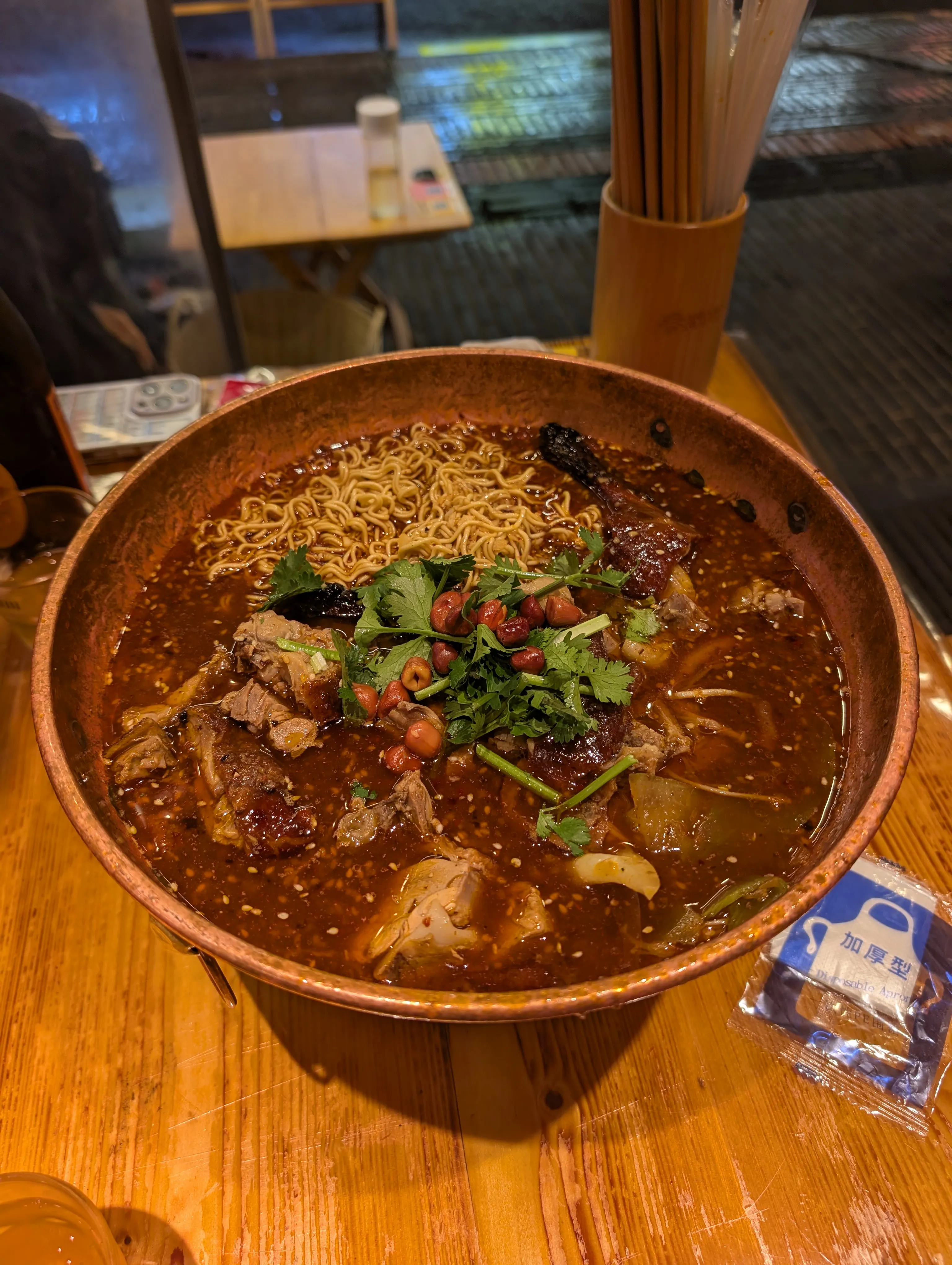
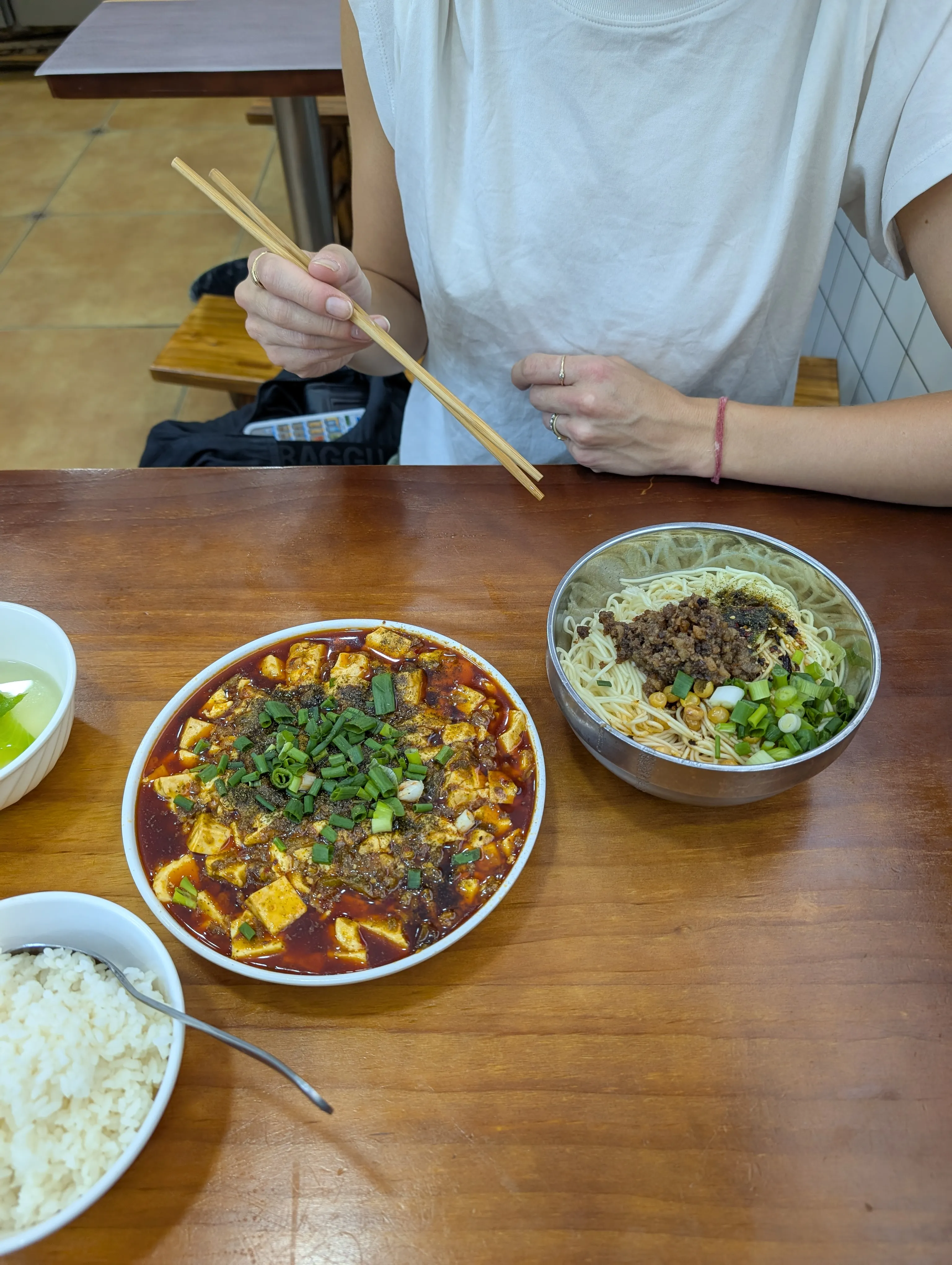
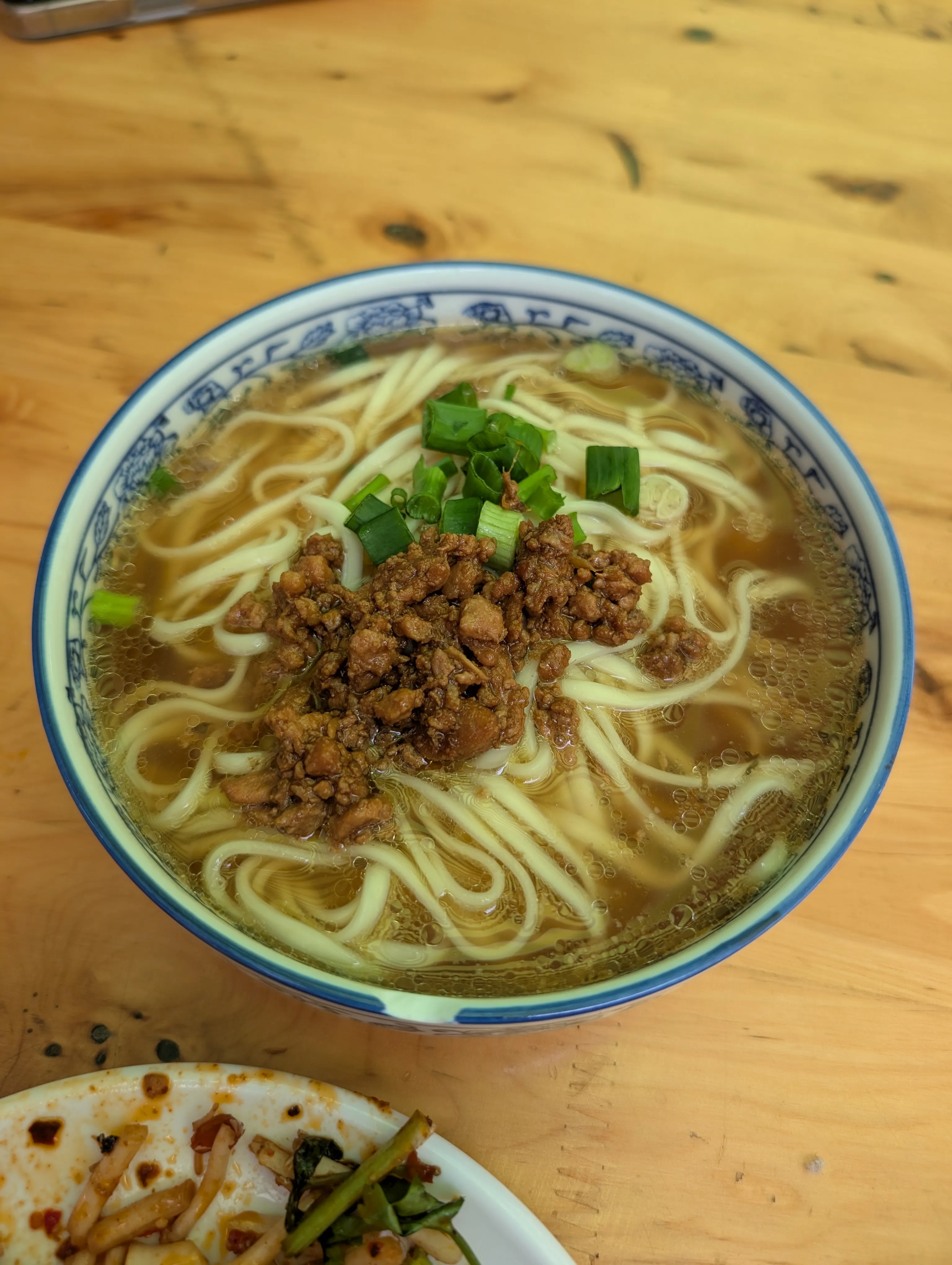
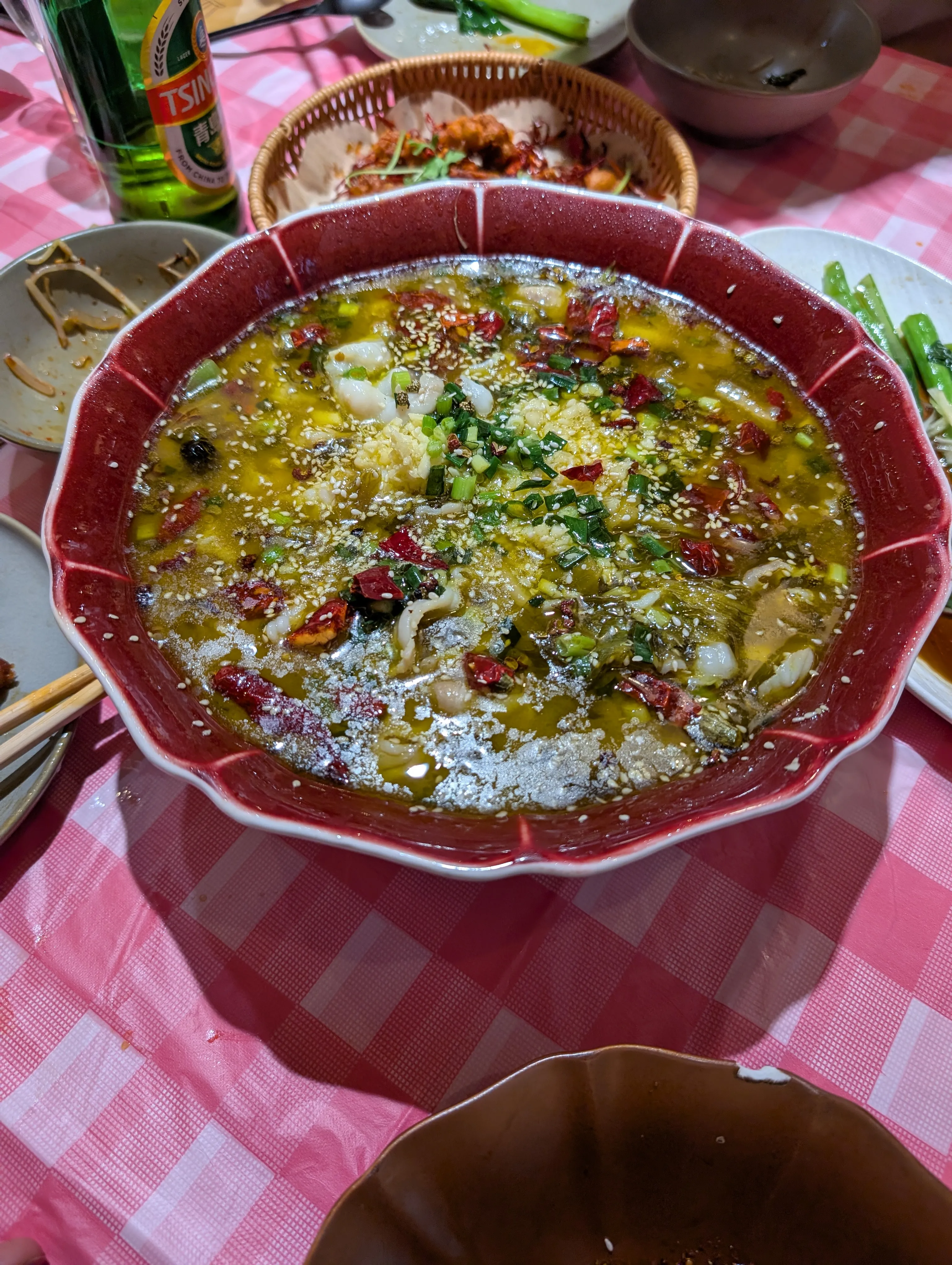
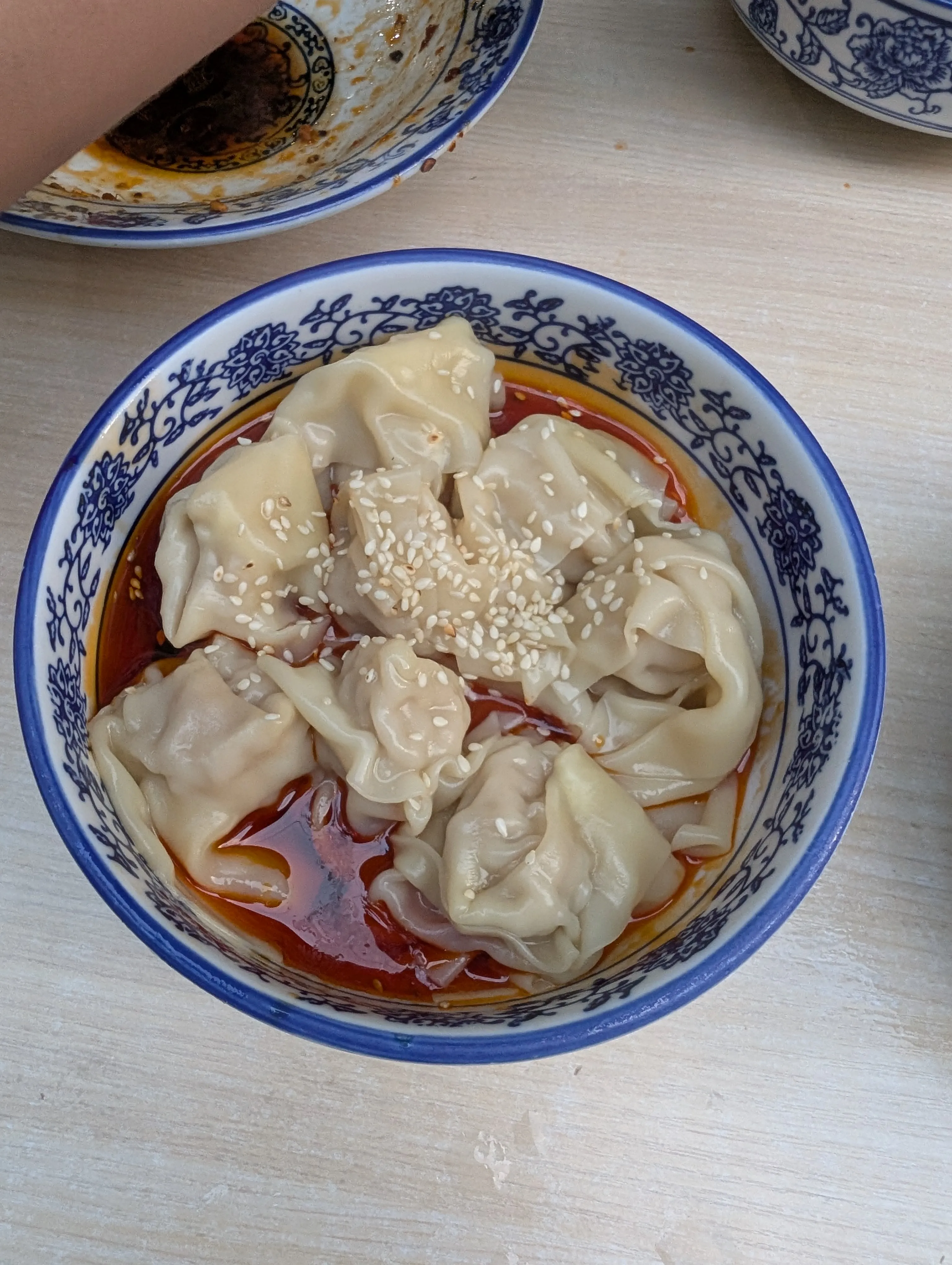
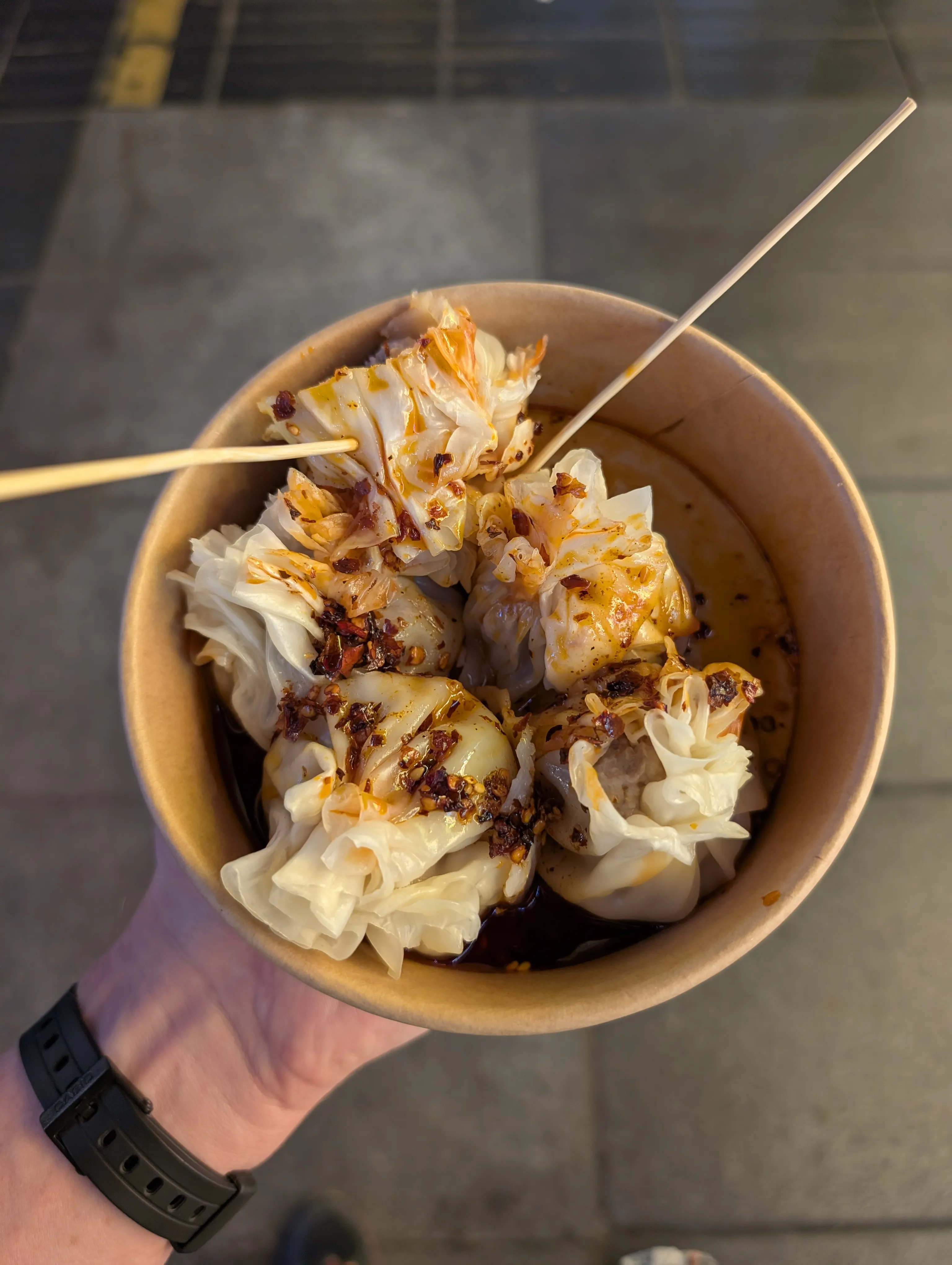
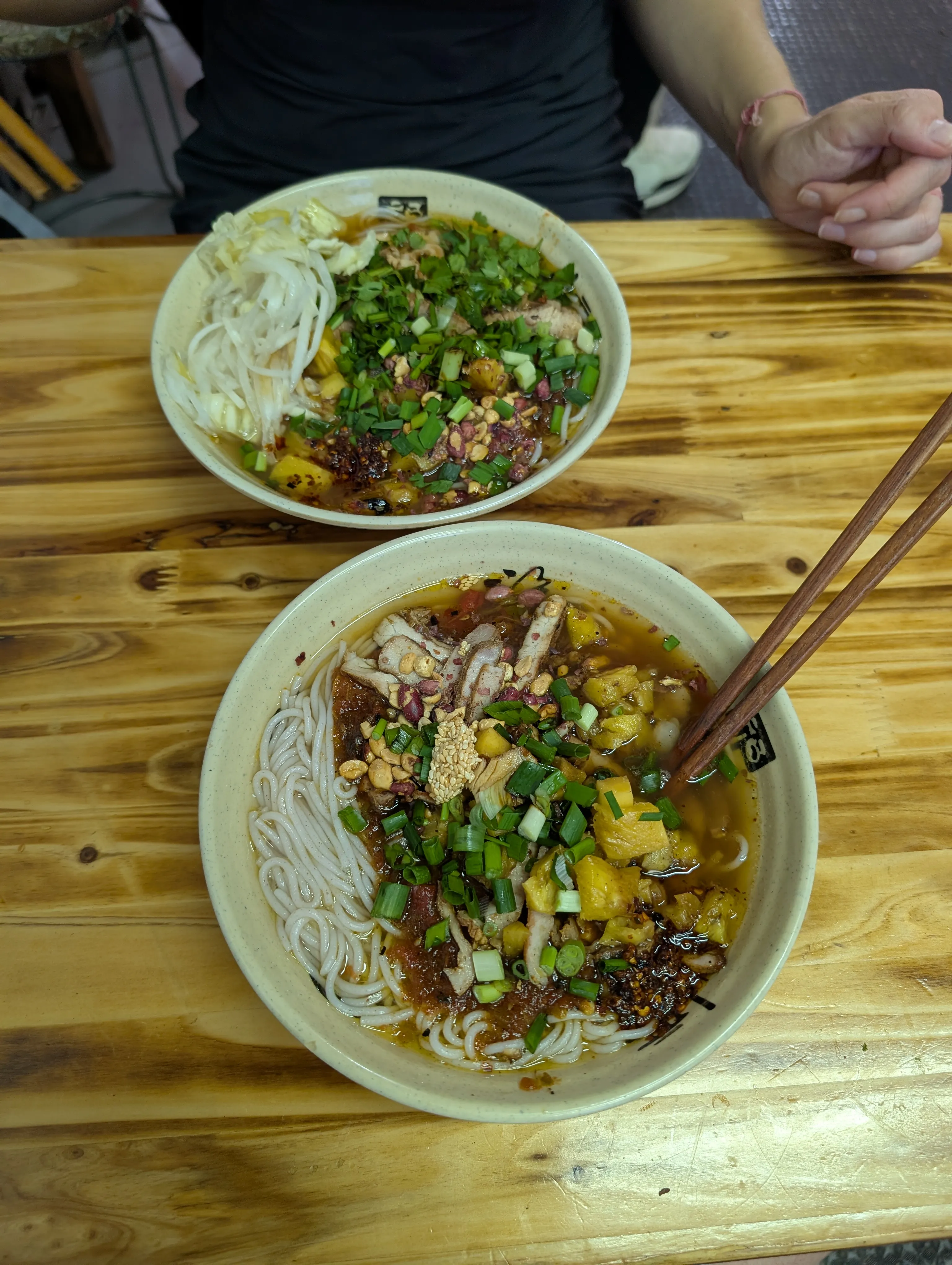
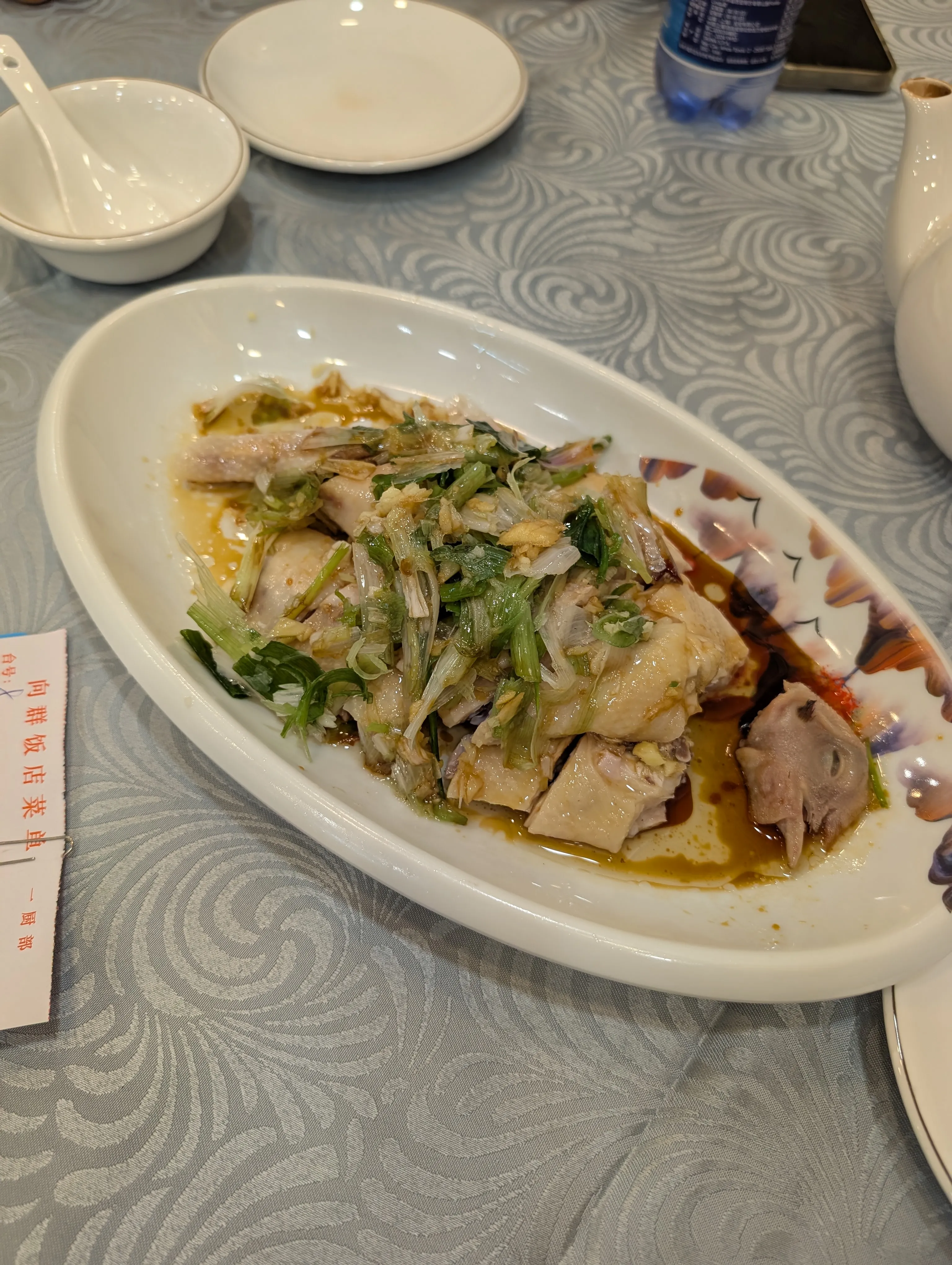
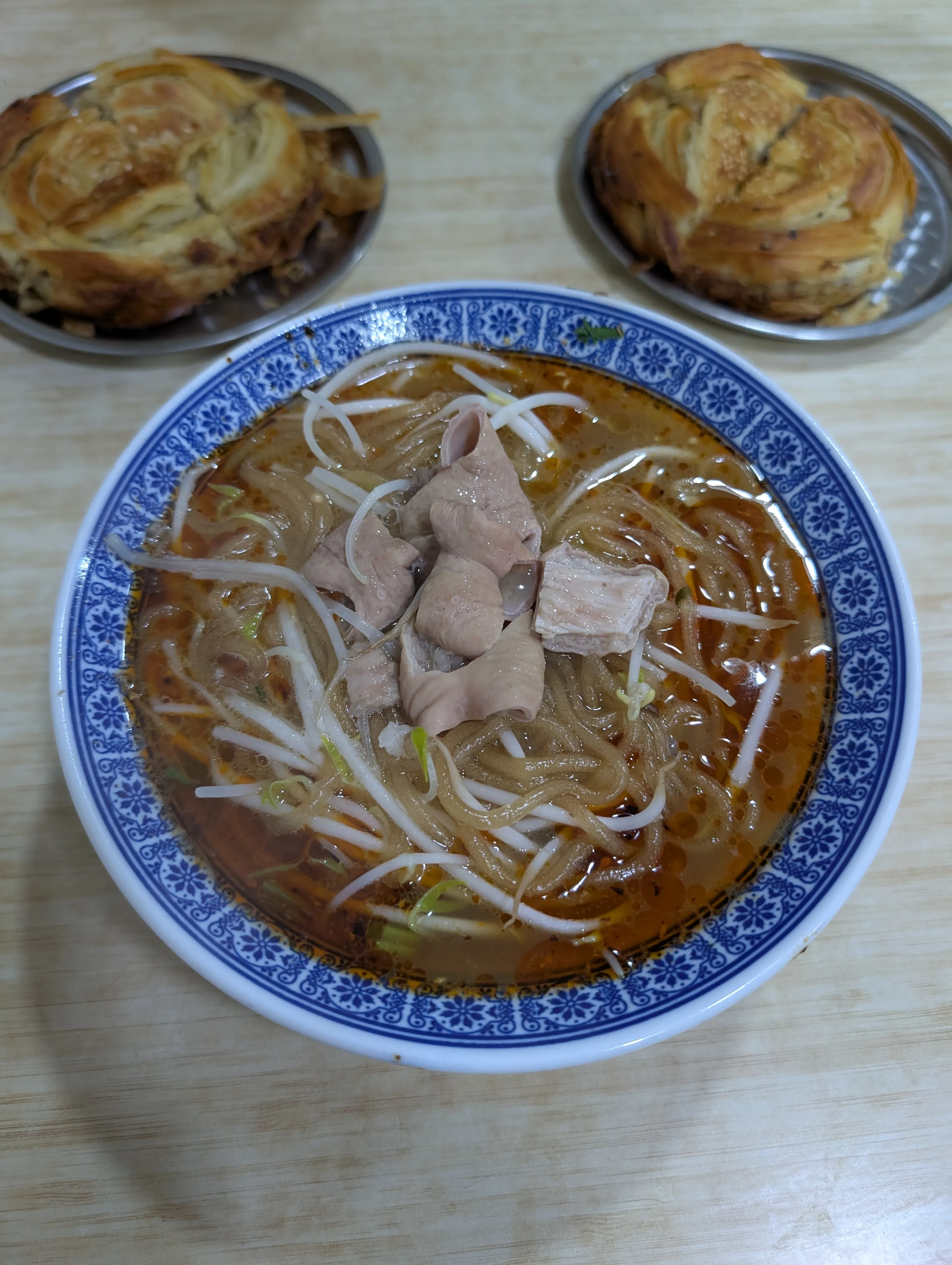
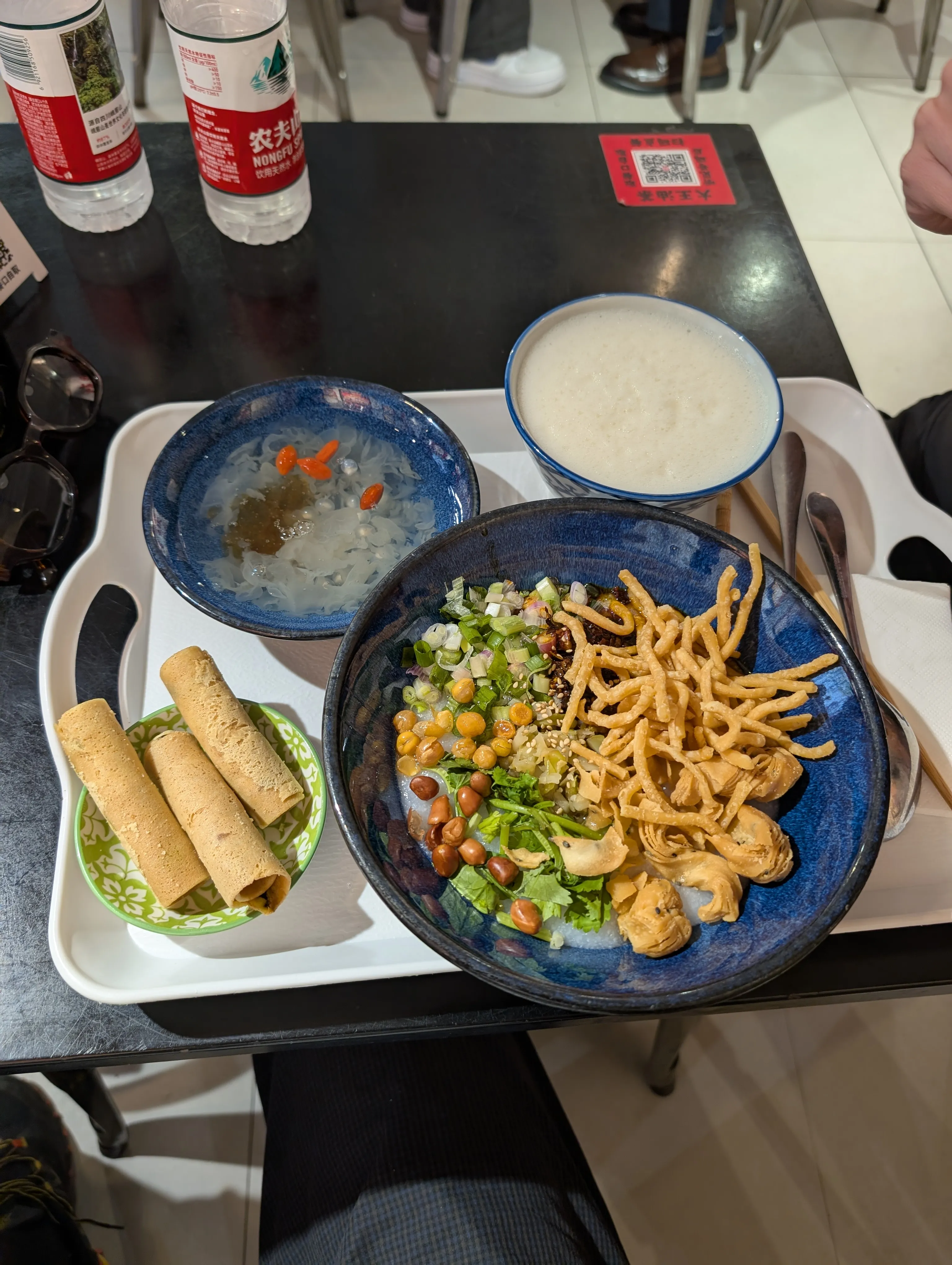
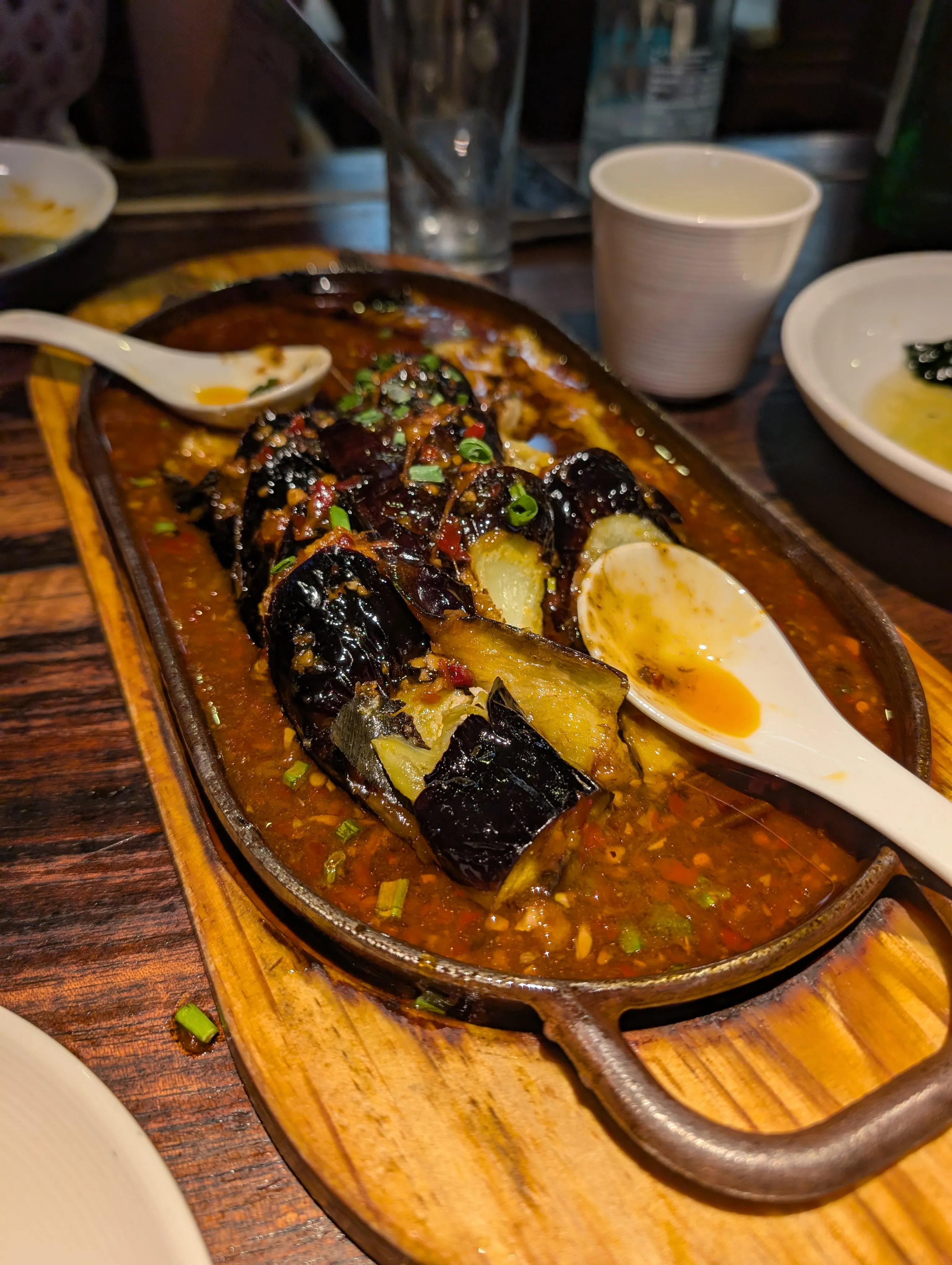
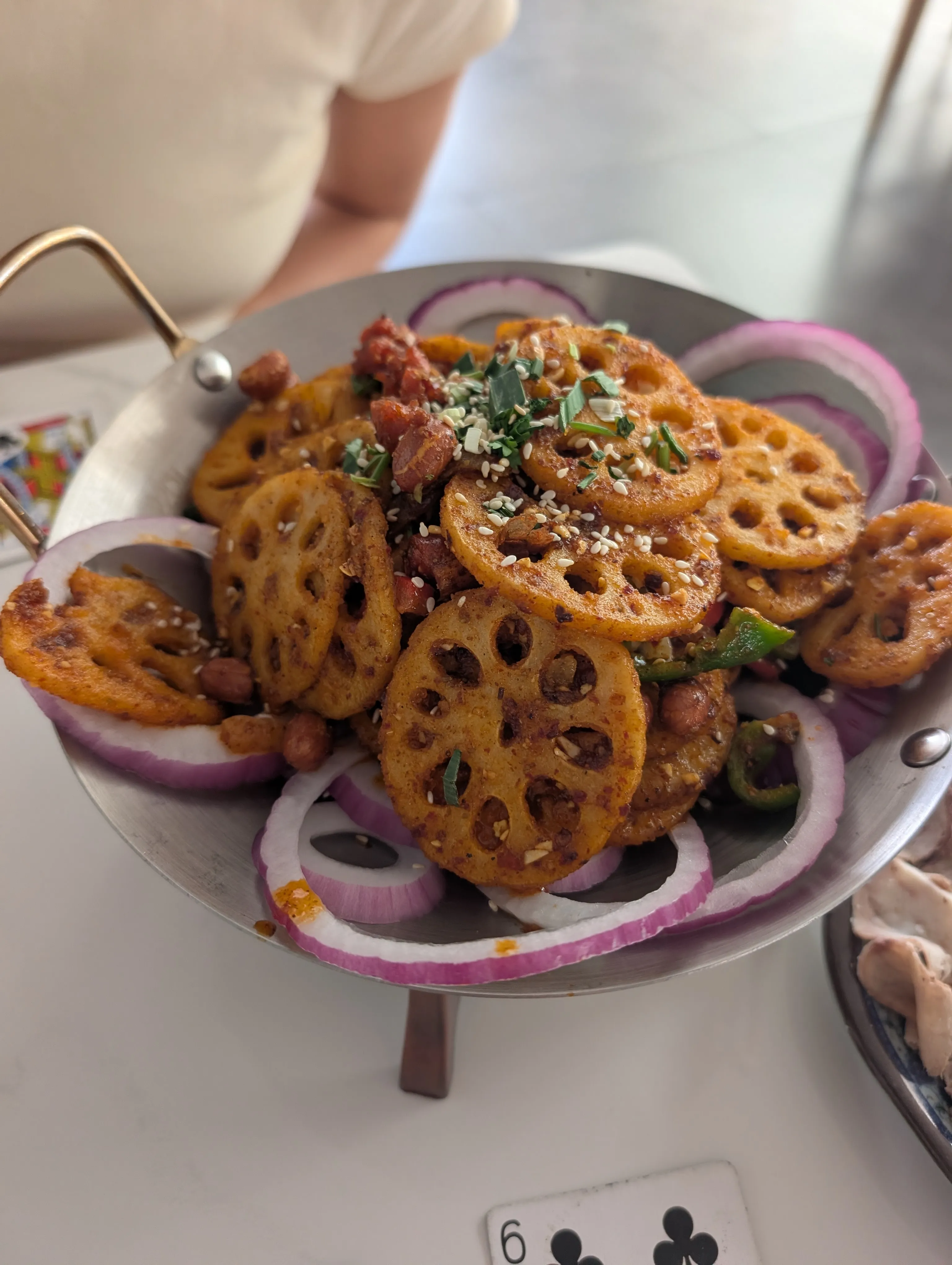
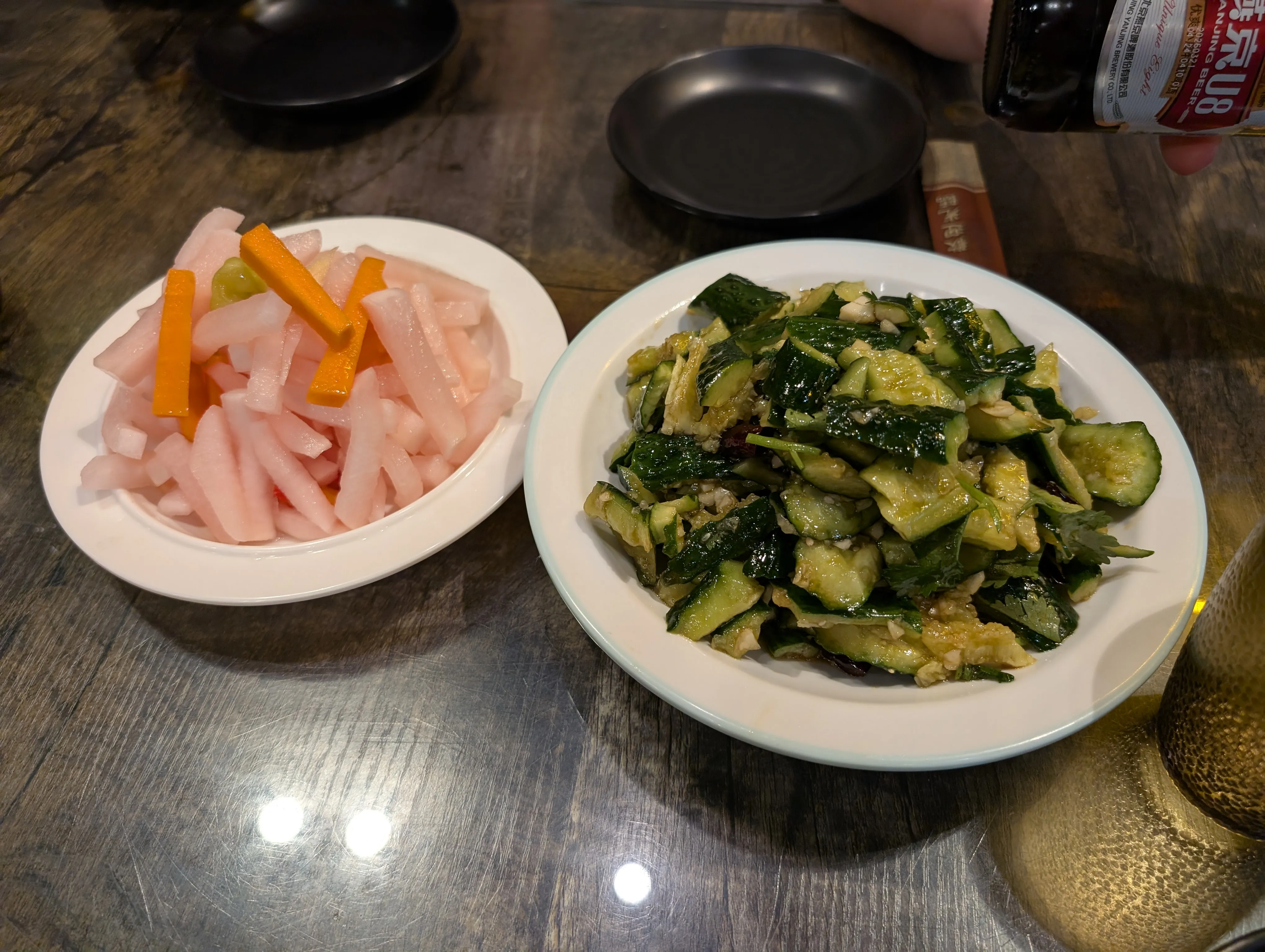
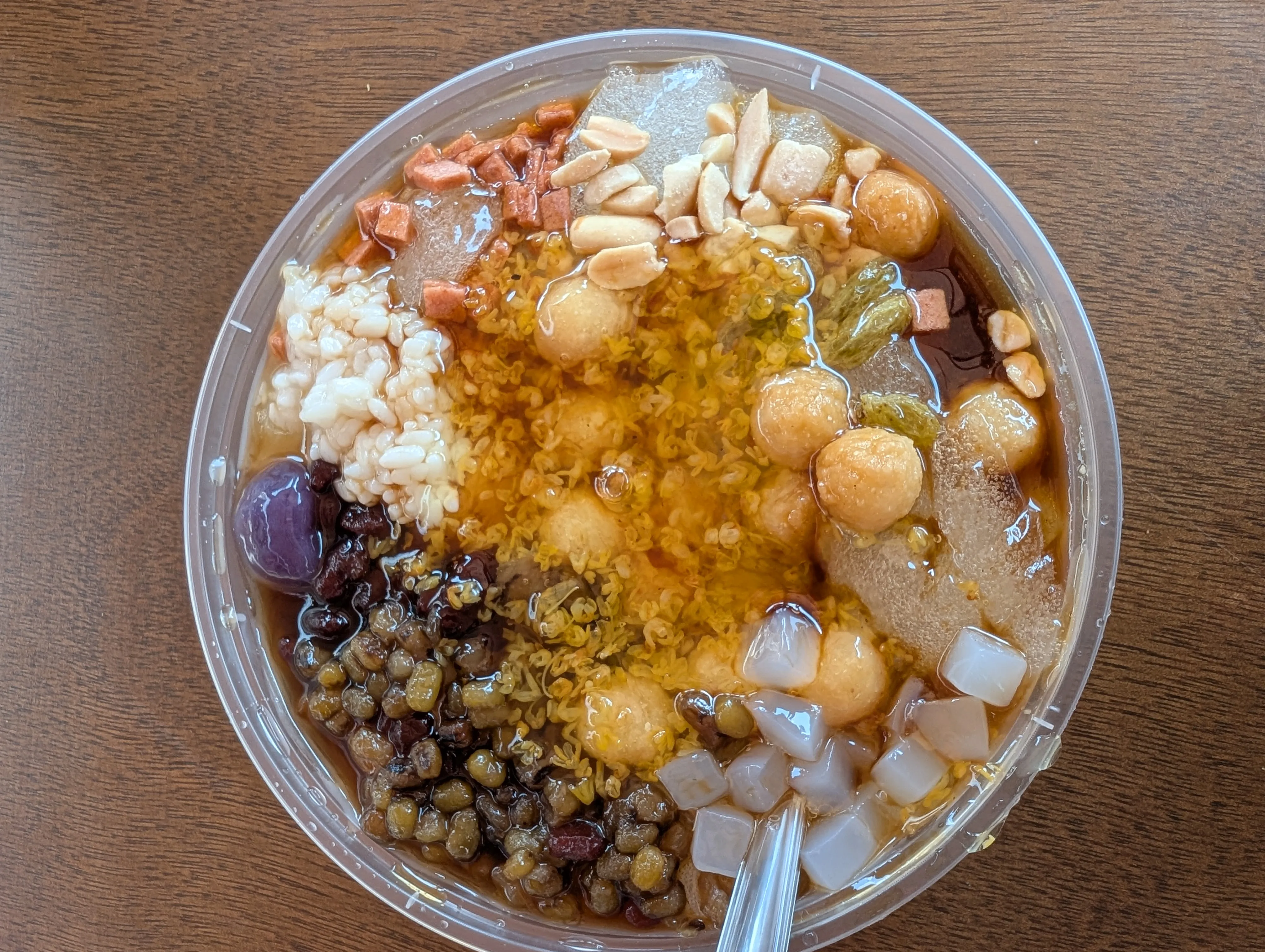
Over the course of the last six months, we have discovered that food plays a much more central role in our travels than we had previously realized. While we have always enjoyed trying the local cuisine of every new place we visit, there’s something about this trip that has amplified the importance of food - not just the way it tastes, but also its variability and quality for the cost. Maybe it’s the fact that we have to/get to eat out for three meals a day, a task that can feel either constraining or exhilarating, depending on where we are. Chinese food exceeded every one of our (already high) expectations, easily topping our list as the cuisine with the best flavors, diversity, and value.
Chinese food is at minimum eight different cuisines and as many as 63, and every one we tried was delicious. As two people who are lucky enough to live in one of the world’s international food capitals, we are spoiled by choice at home, and in most other countries we reached a point of craving a certain type of cuisine we were not able to find. In China, though, we were thoroughly caught up in the options in front of us, and very rarely had time or desire to think of anything else. Each region had its own distinct flavor profiles, specialty ingredients, and spins on classic dishes. We found ourselves structuring entire days around breakfast, lunch, and dinner, bargaining with portion sizes to try to save room for the next meal. We rarely spent more than $10 USD total (most of the time much, much less), which made eating to our hearts’ content that much more fun. As hyperbolic as it sounds, if you like Chinese food, it’s worth traveling here just to eat.
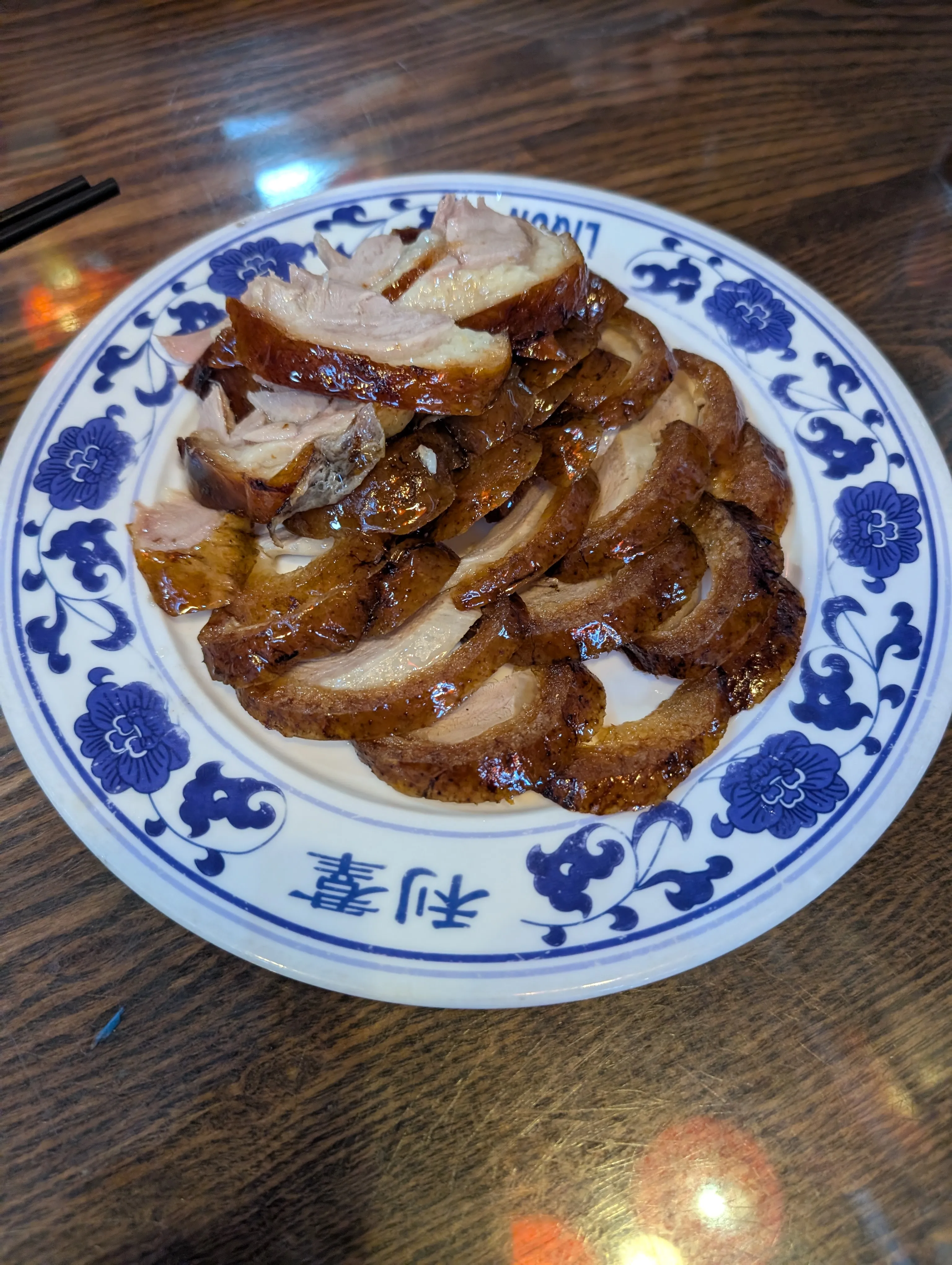
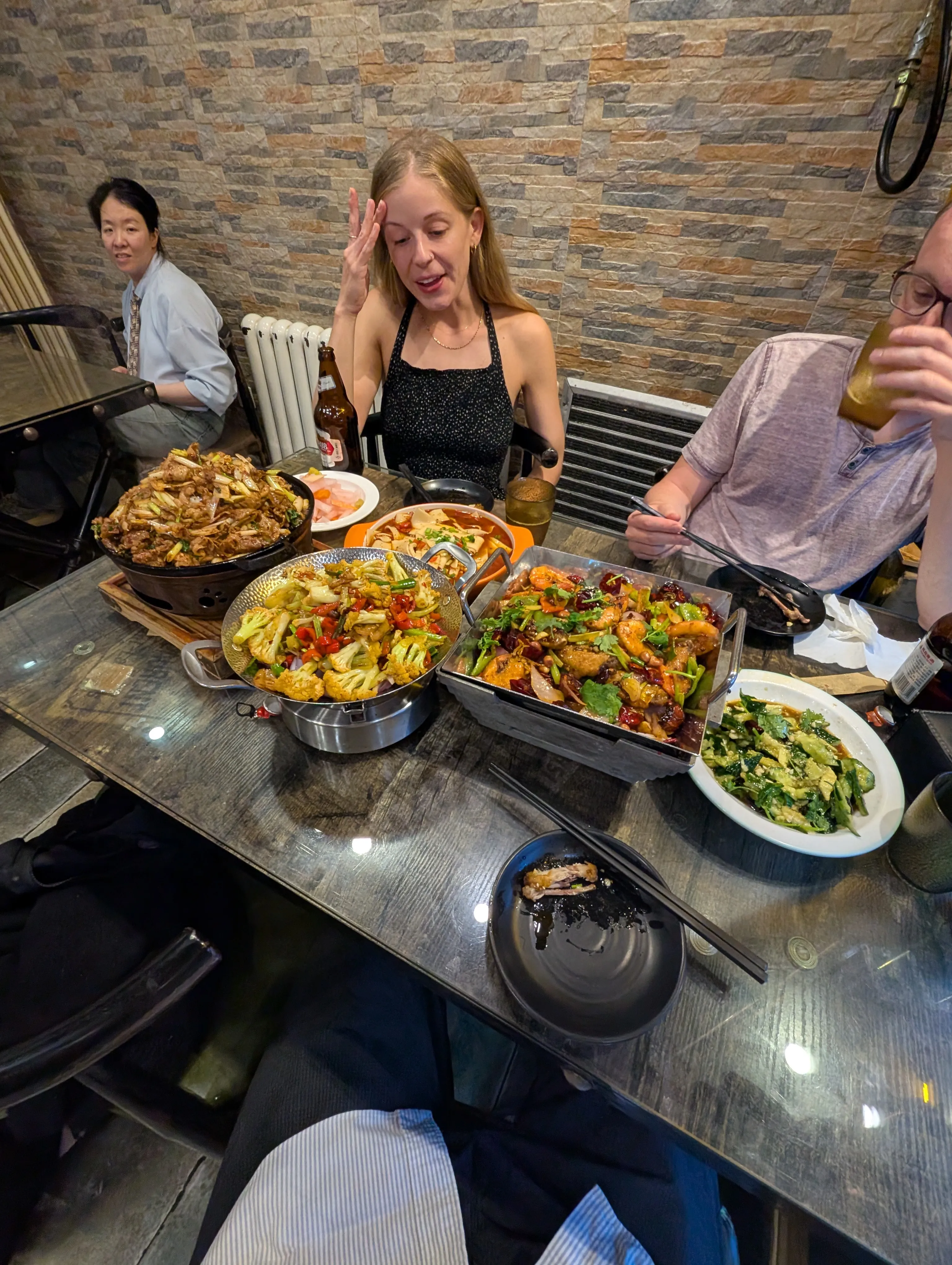
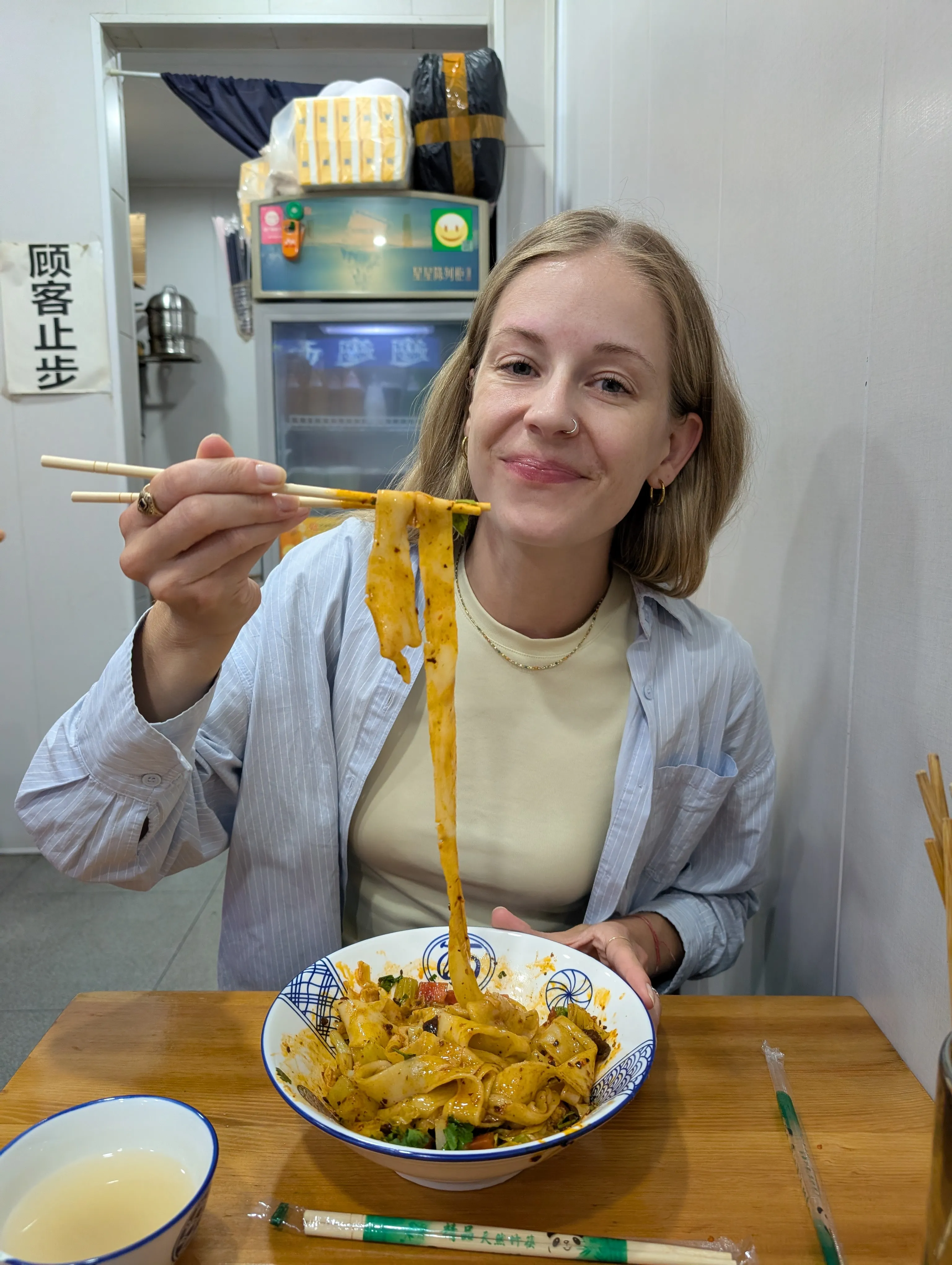
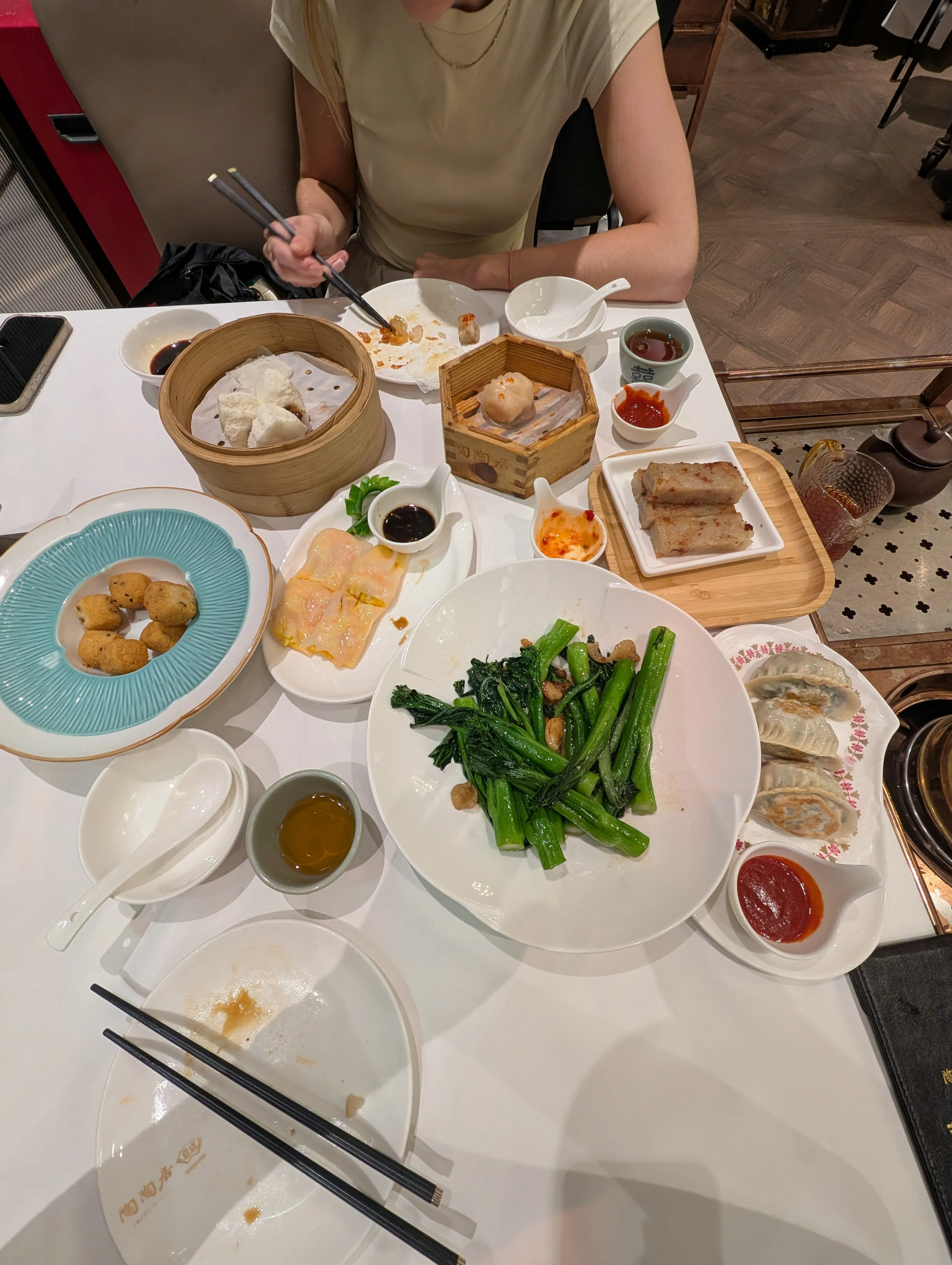
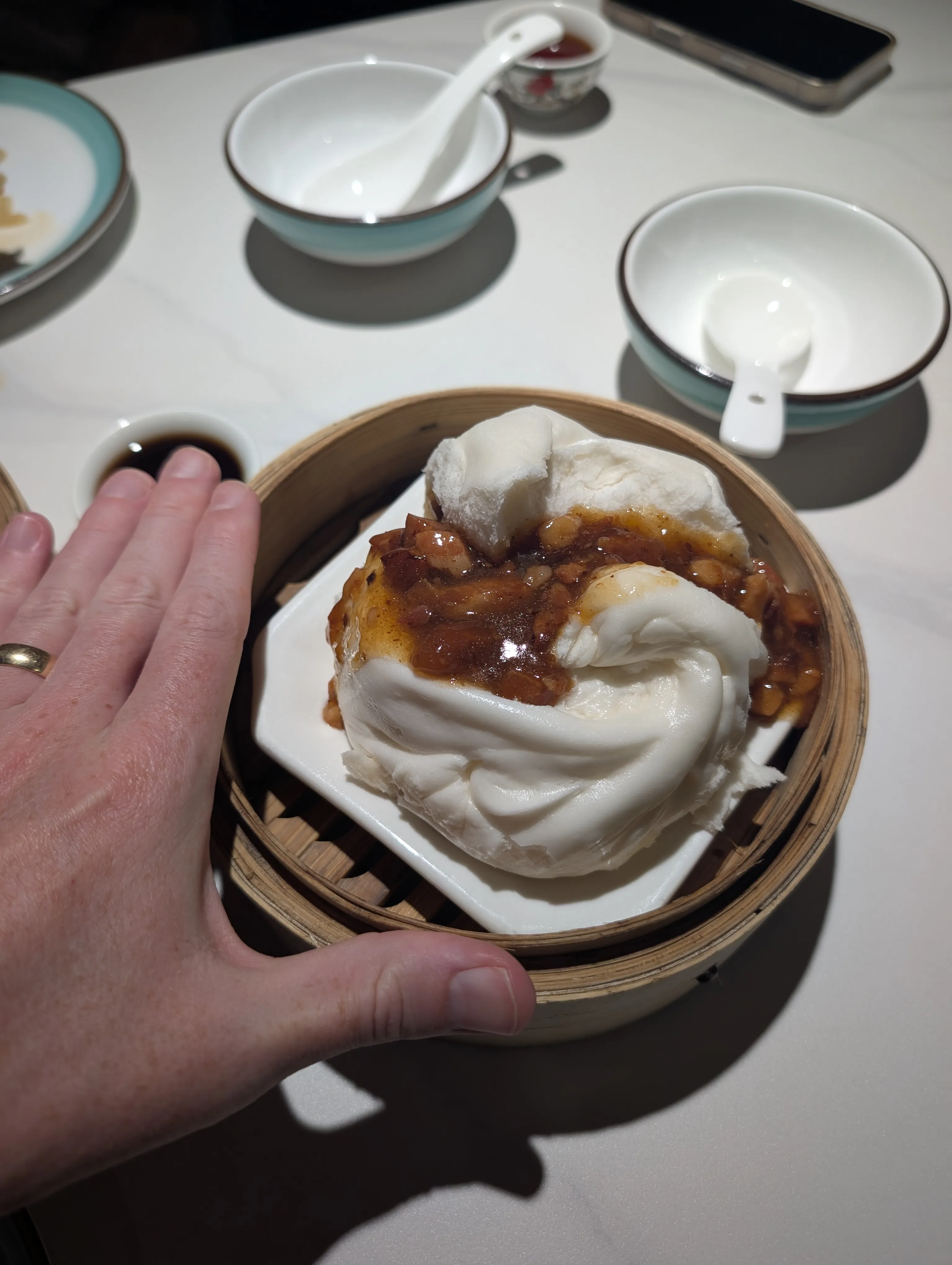
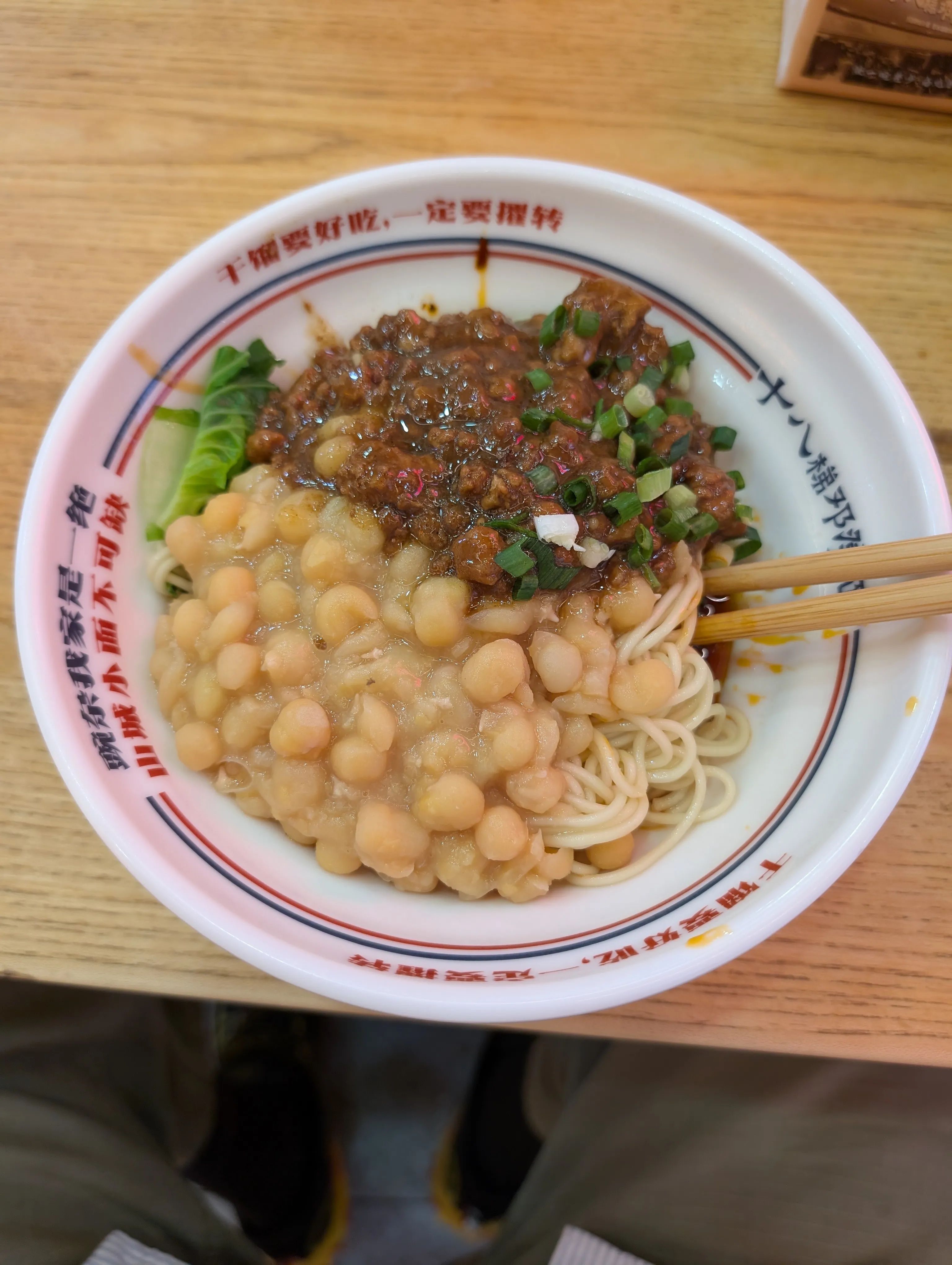
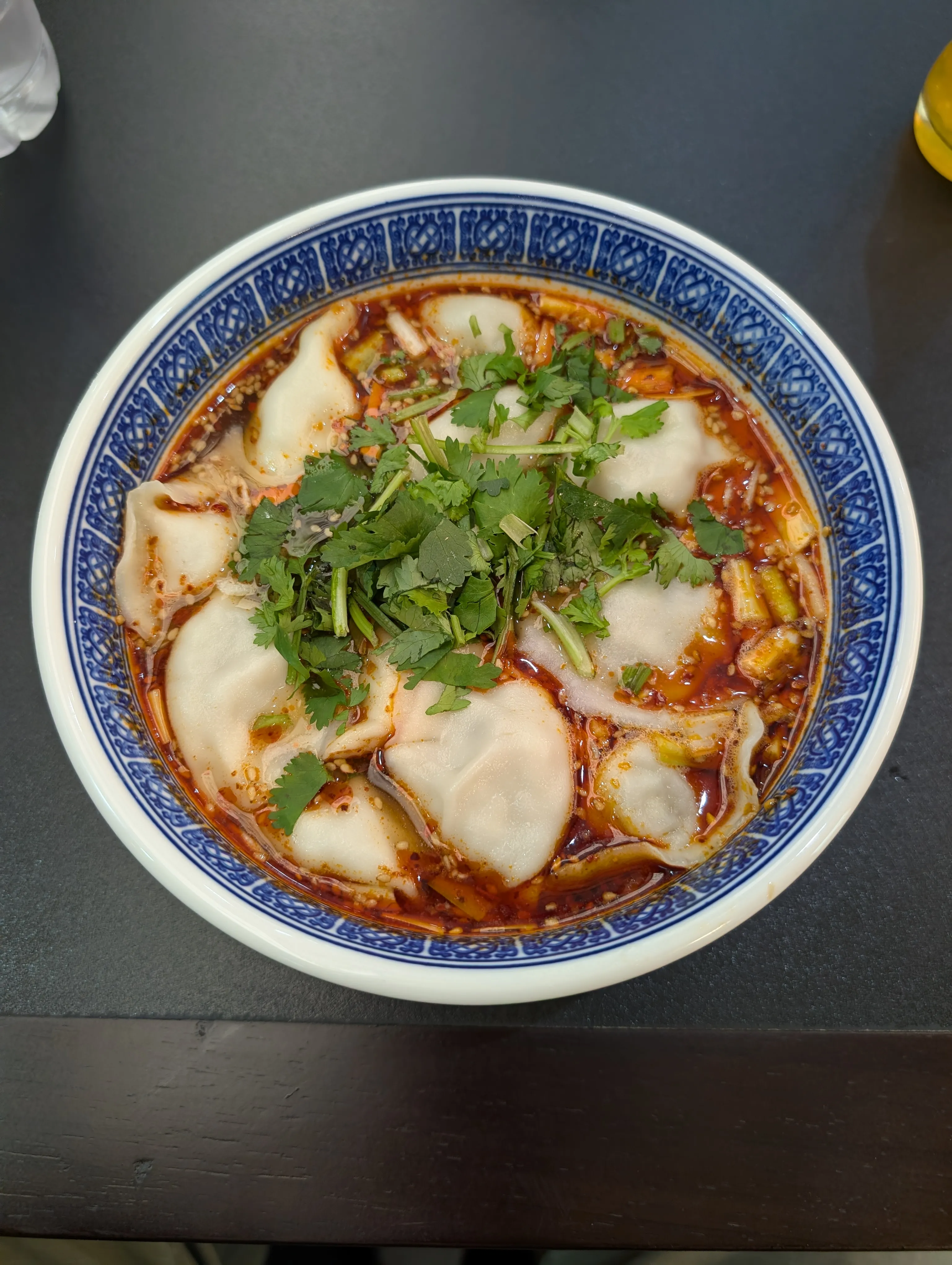
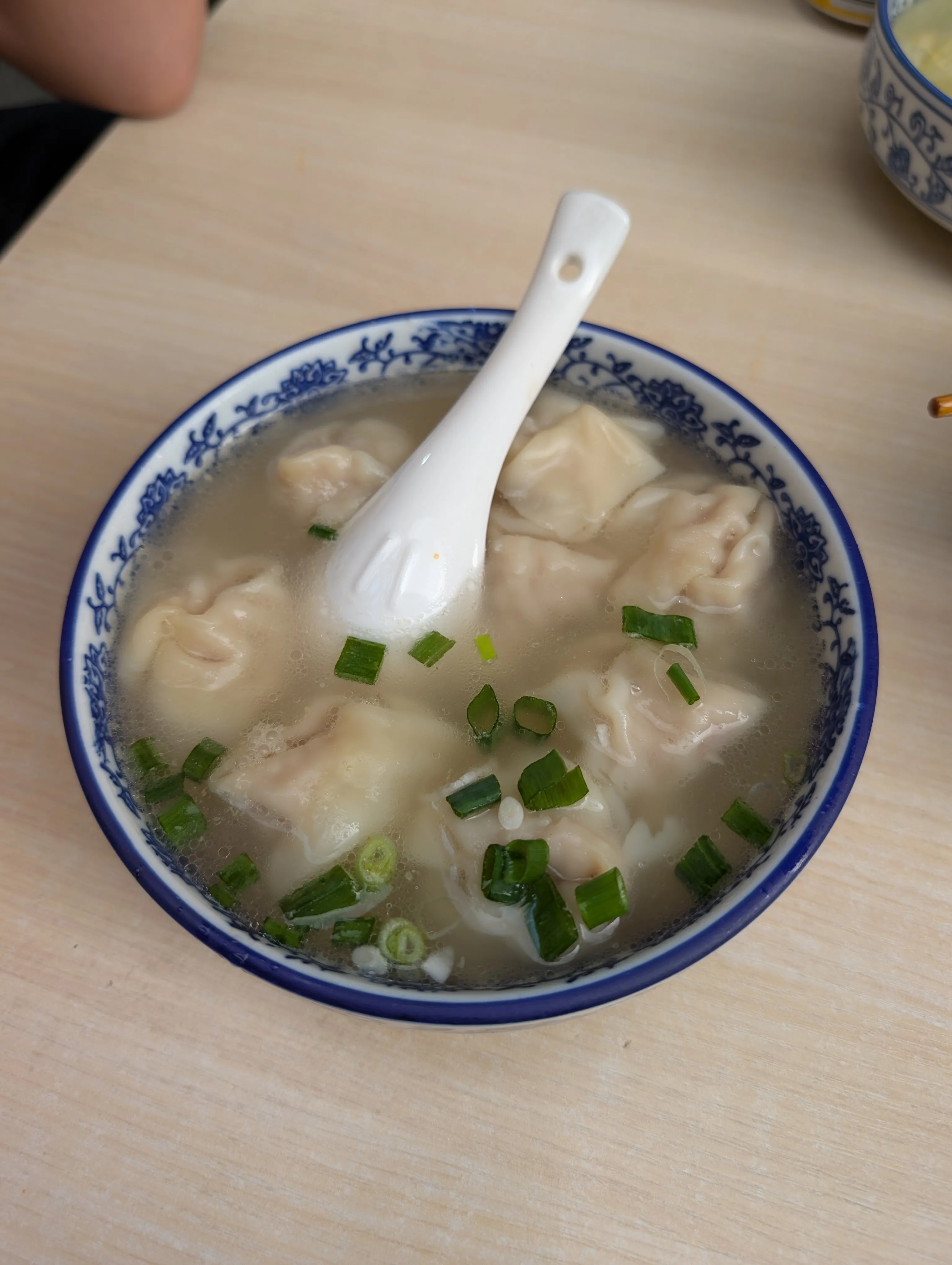
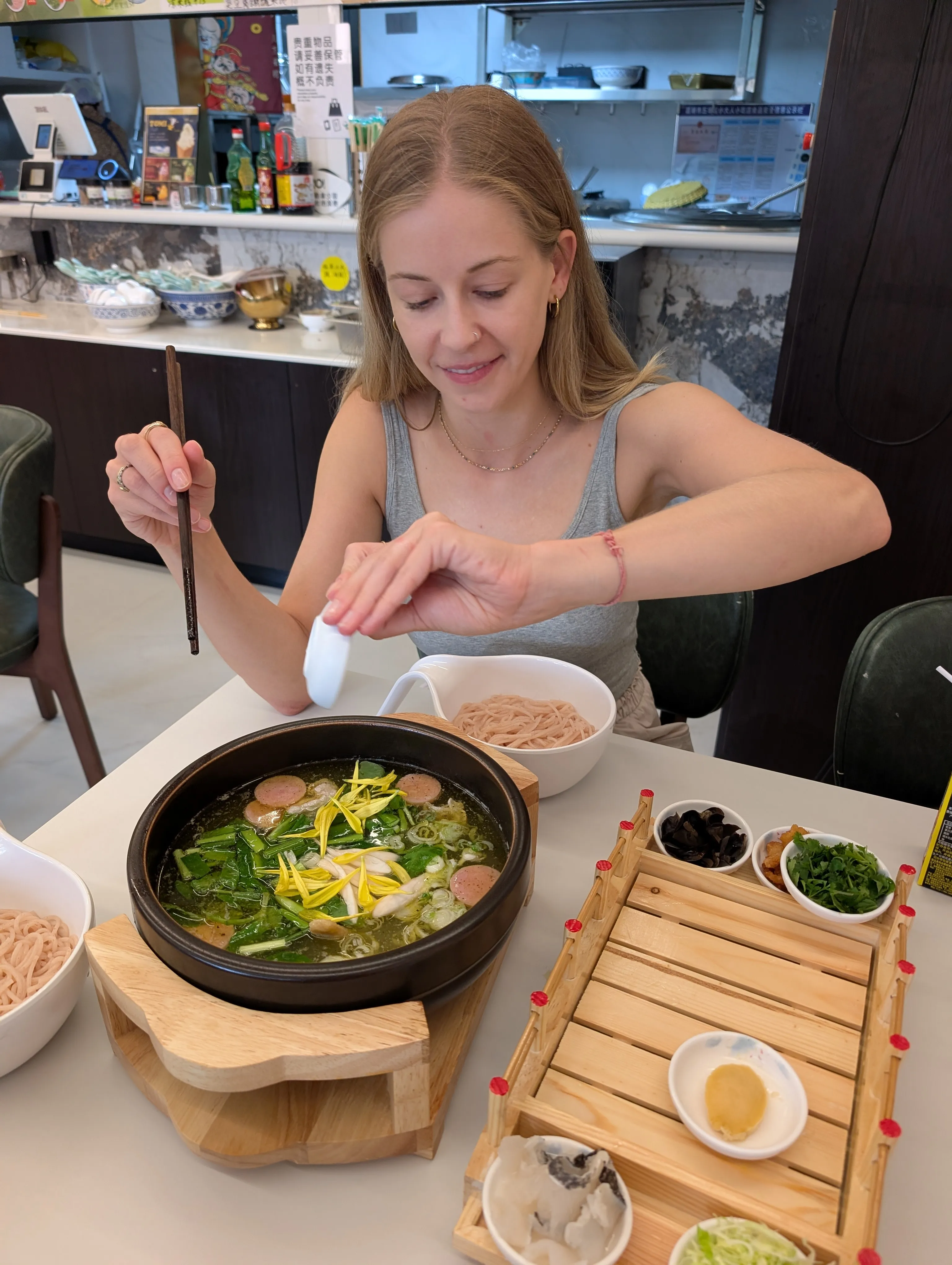
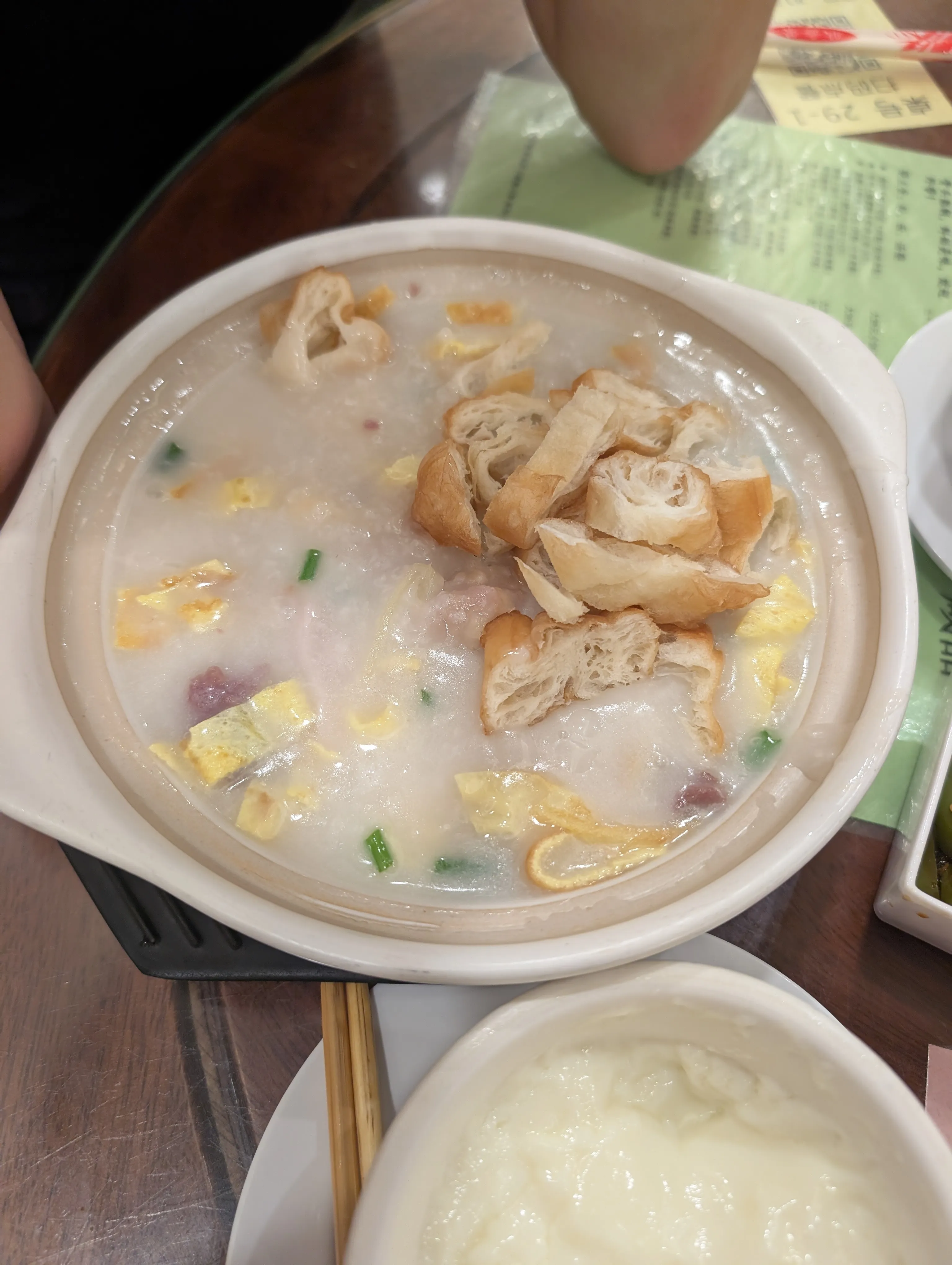
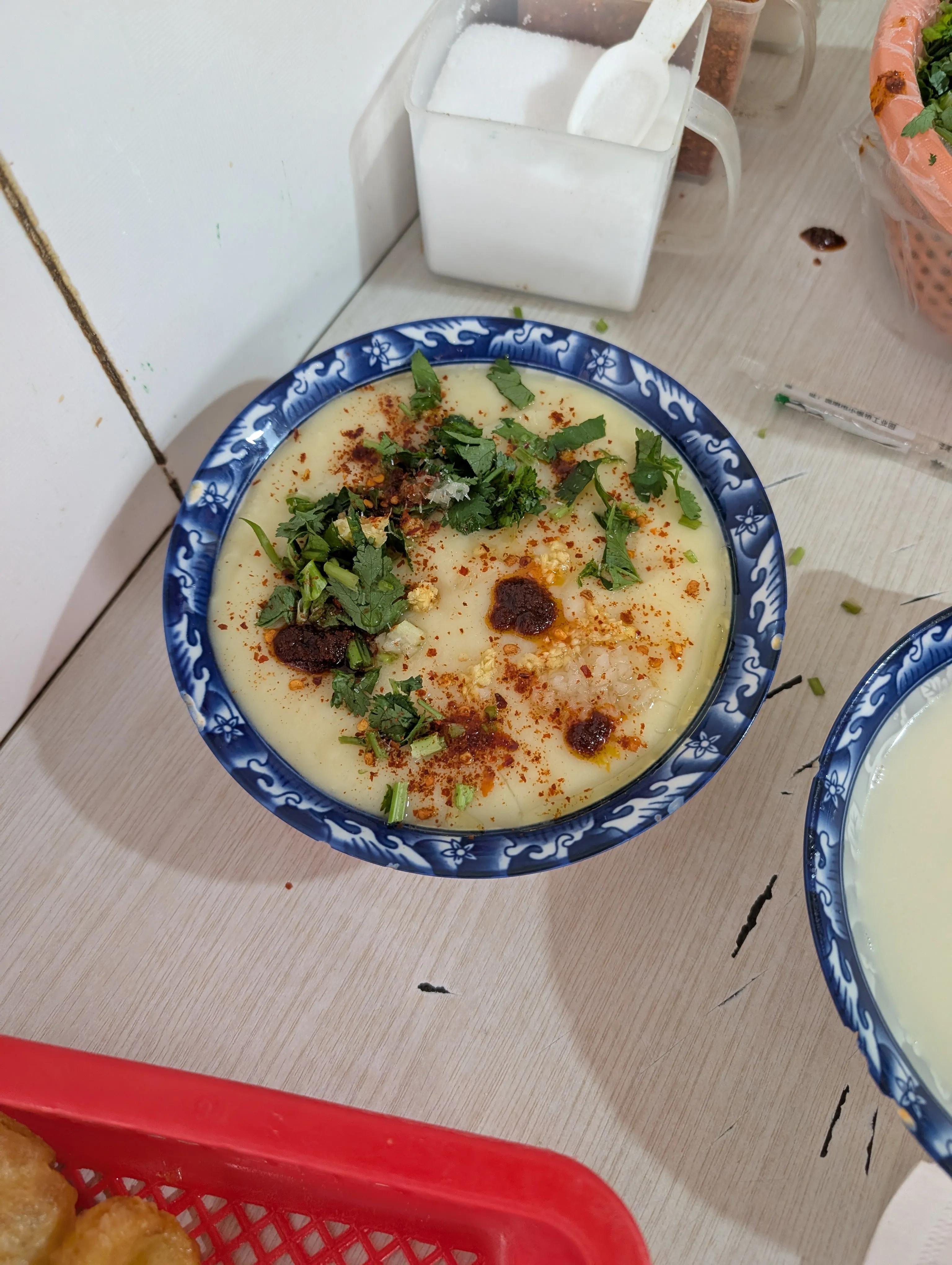
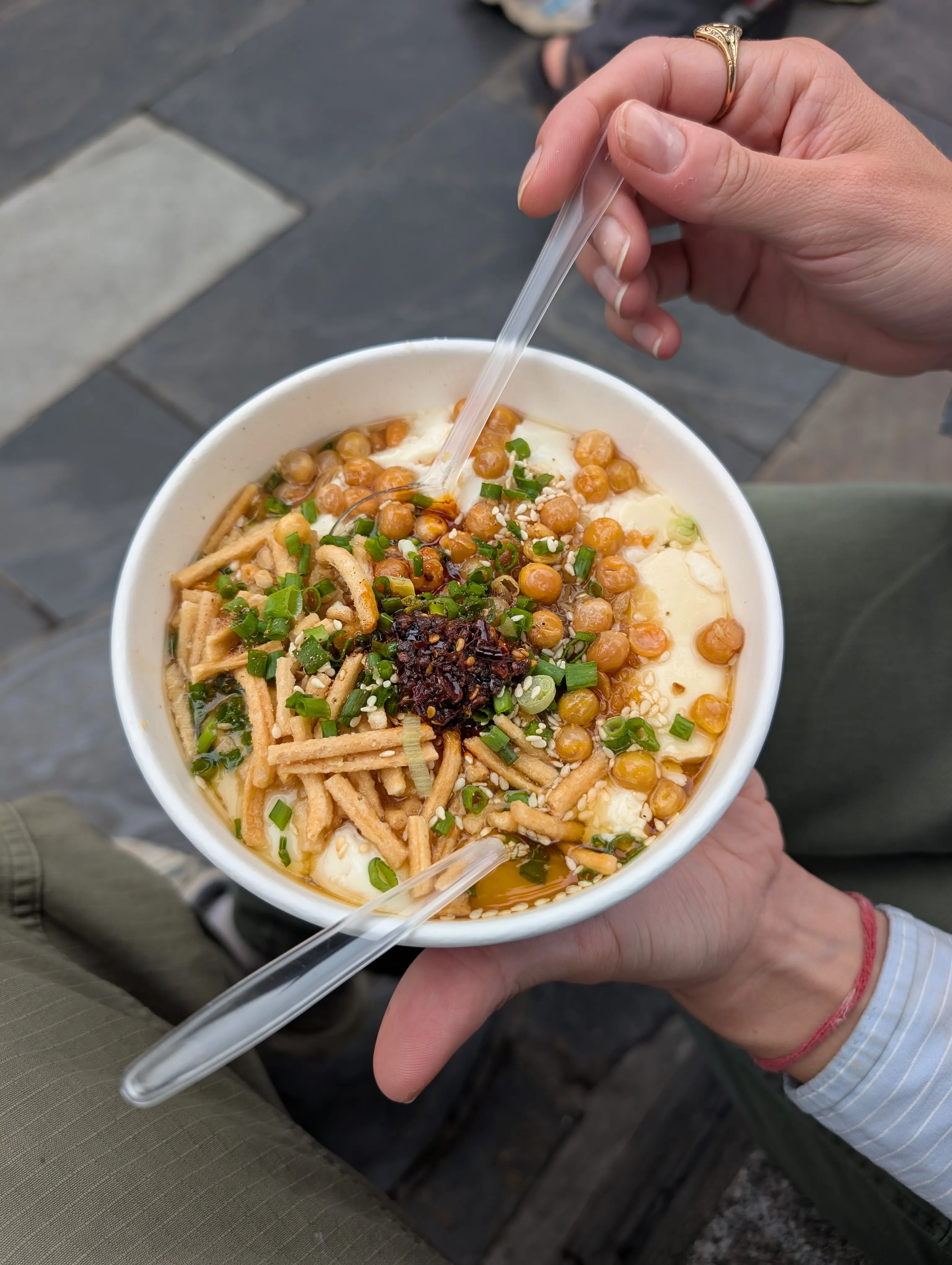
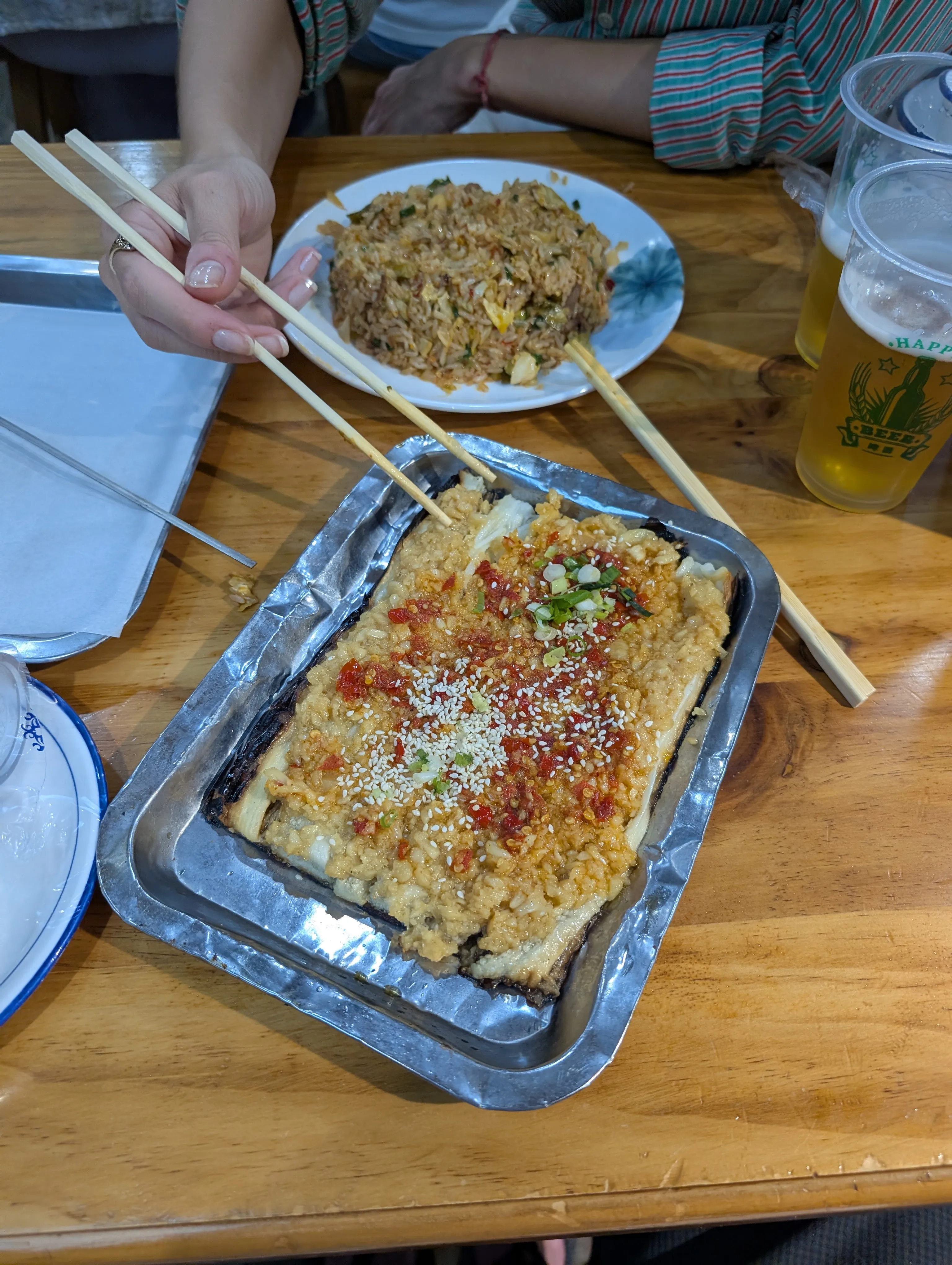
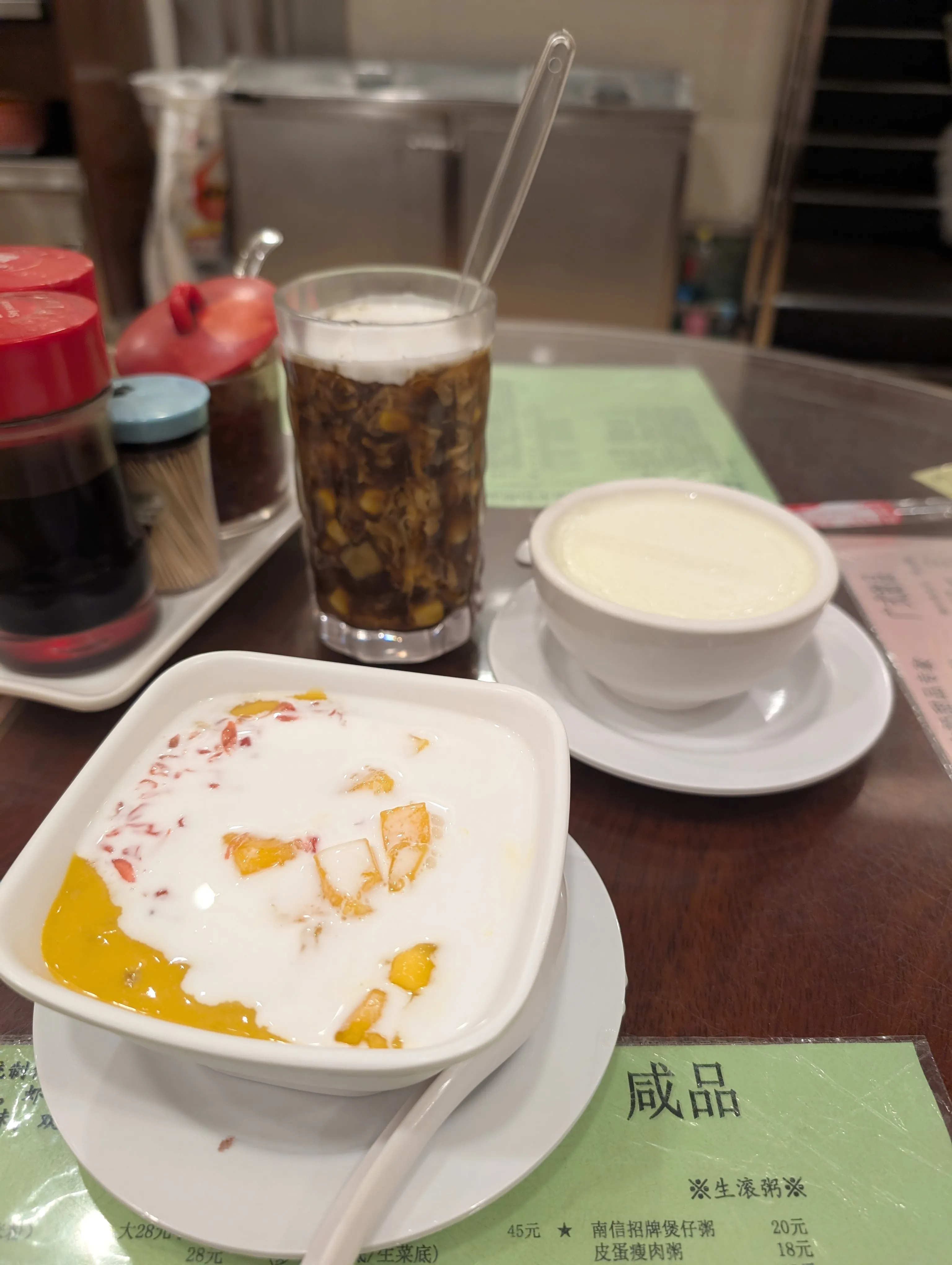
Peking duck in Beijing, served with thin pancakes, scallions, and hoisin.
Big Brother is watching (Paul)
It was unsettling at best, terrifying at worst, to experience a small slice of the surveillance apparatus of the Chinese government. Conceptually, we understood before arriving that China is an authoritarian country with no right to free speech or privacy, among many other human rights restrictions and abuses. But like so many things, confronting it first-hand drove the reality home. The most obvious instrument of the surveillance state are the cameras. They are simply everywhere. We failed to find anywhere that was not in view of a camera, even in the semi-remote mountains of north-western Yunnan.
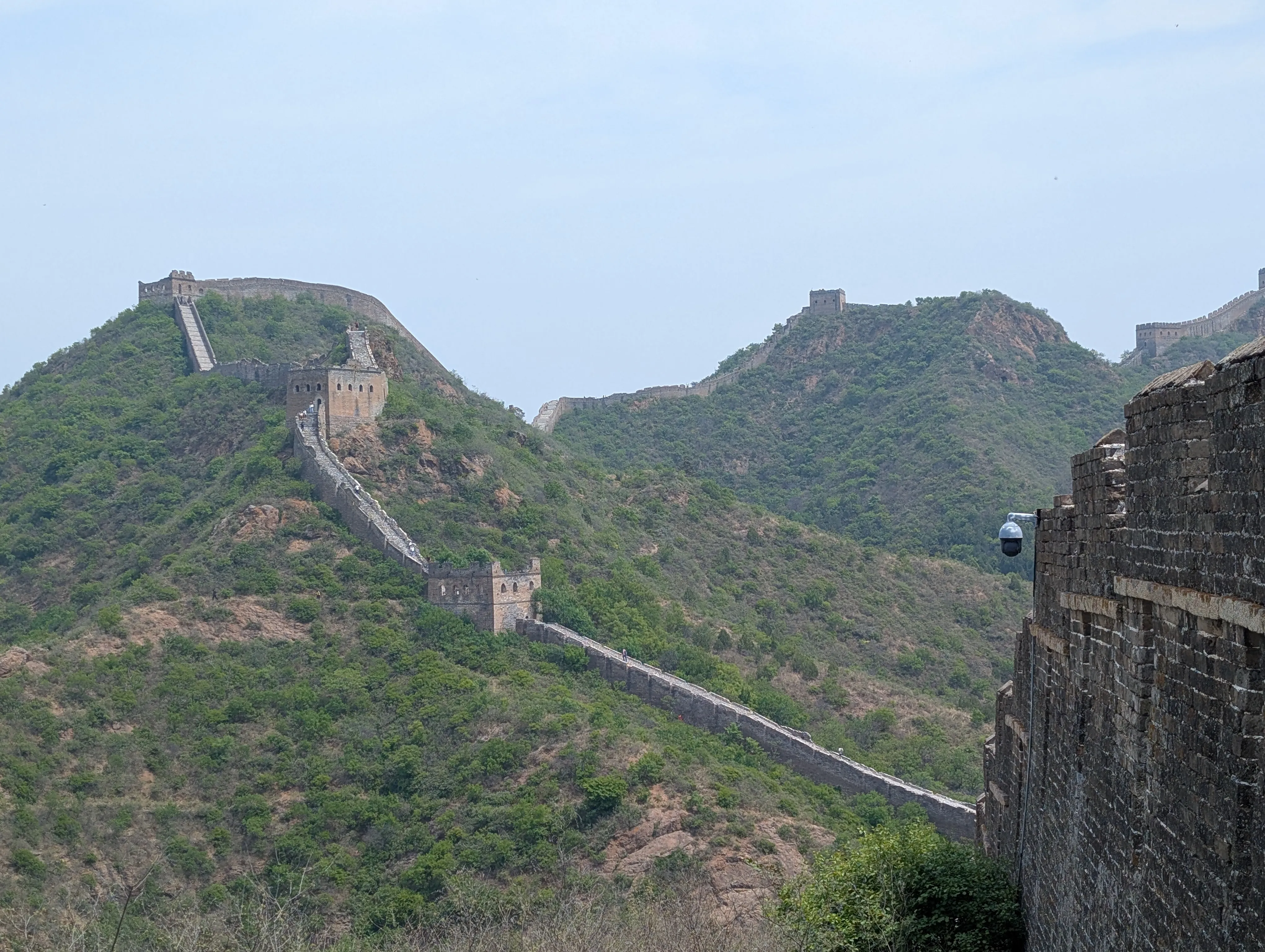 A camera on The Great Wall.
Additionally, there are police everywhere. My cousin Sean lives near the U.S. Embassy in Beijing, which is in an area with many other embassies, and while walking in that area we constantly encountered extremely conspicuous plain-clothes officers, and Chinese soldiers would walk beside us as we passed embassy gates. Needless to say, there was a small army of soldiers and security agents arrayed in Tiananmen square. Somewhat amusingly, Makeda brought her borrowed copy of Midnight in Peking — redacted passages on Mao Zedong and all — to Tiananmen Square, where security guards at the entrance gave it an earnest and slightly confused examination.
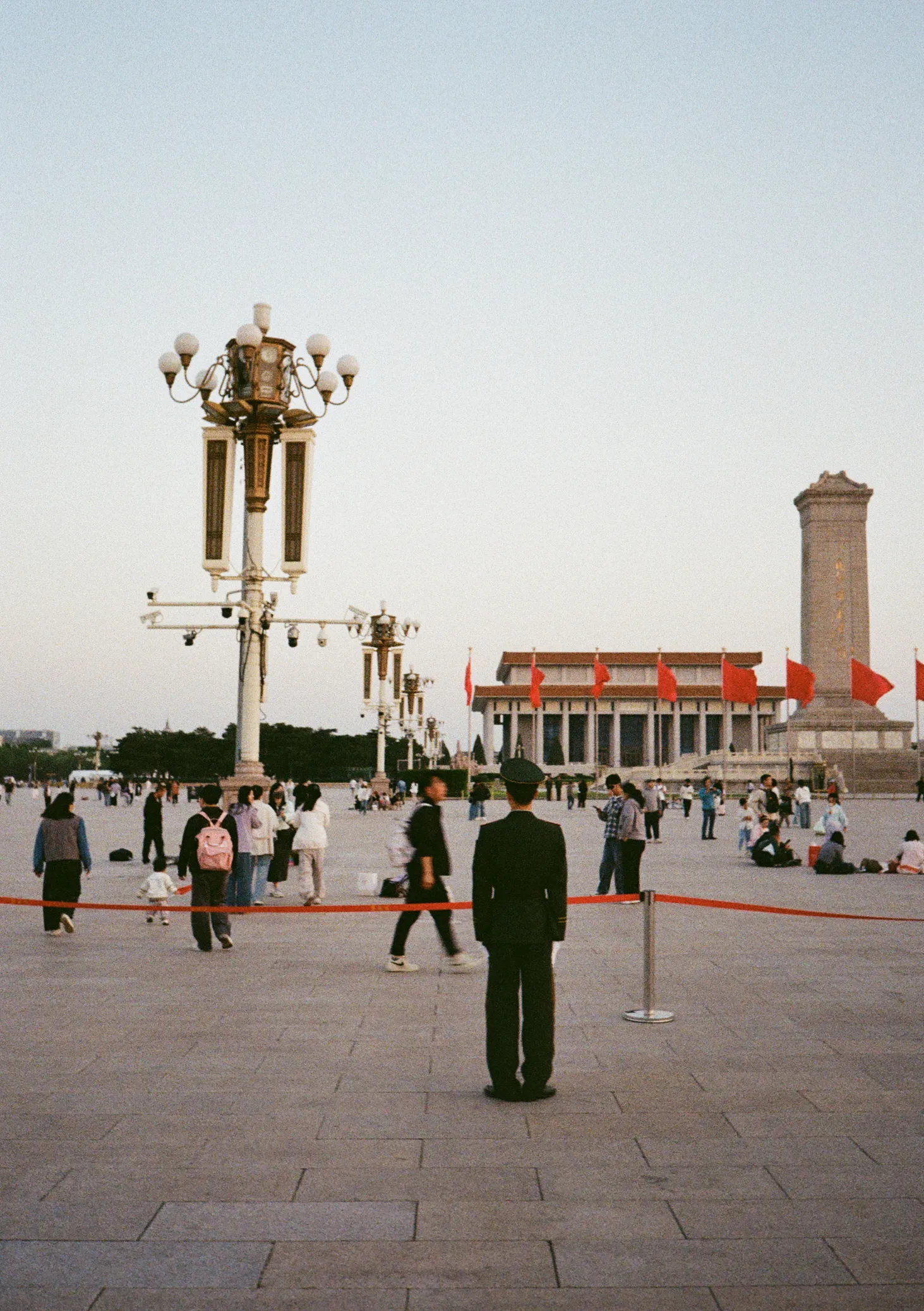 A soldier and camera tower in Tiananmen Square.
Then, the infamous Great Firewall. The internet and telecomunnications are highly censored and tightly controlled by the CCP - one cannot access Wikipedia, most U.S. social media, Gmail, Google, foreign news publications, etc. without workarounds like a VPN or foreign eSIM. For us, this was more of a nuisance than anything else, but the scope of the censorship for tech illliterate folks is breathtaking. In the same vein, essentially every payment is processed by two applications: WeChat and Alipay. In 2017 the CCP passed the National Intelligence Law, effectively forcing private companies to secretly share any information or data requested by the CCP. The combination of these two facts means that the government has access to every single transaction made by every person in China. Mark Zuckerberg could only dream of that kind of data.
The most sobering manifestation of the authoritarian state came in Feilaisi, a majority-Tibetan village in northwest Yunnan. A friendly Tibetan tour guide struck up a conversation with me, asking whether I planned to visit Tibet. I told him Makeda and I were disappointed that we would not be visiting due to the permit cost and processing time. I naively asked if he had ever visited the U.S. Chuckling, he said that of course he had not - the government will not grant him a passport simply because he is from Tibet (the same applies to people from Xinjiang). He had never left China, because he cannot leave. It was at that moment that the cruelty and contempt the CCP has for its citizens transitioned from an abstract reality to a person standing in front of me.
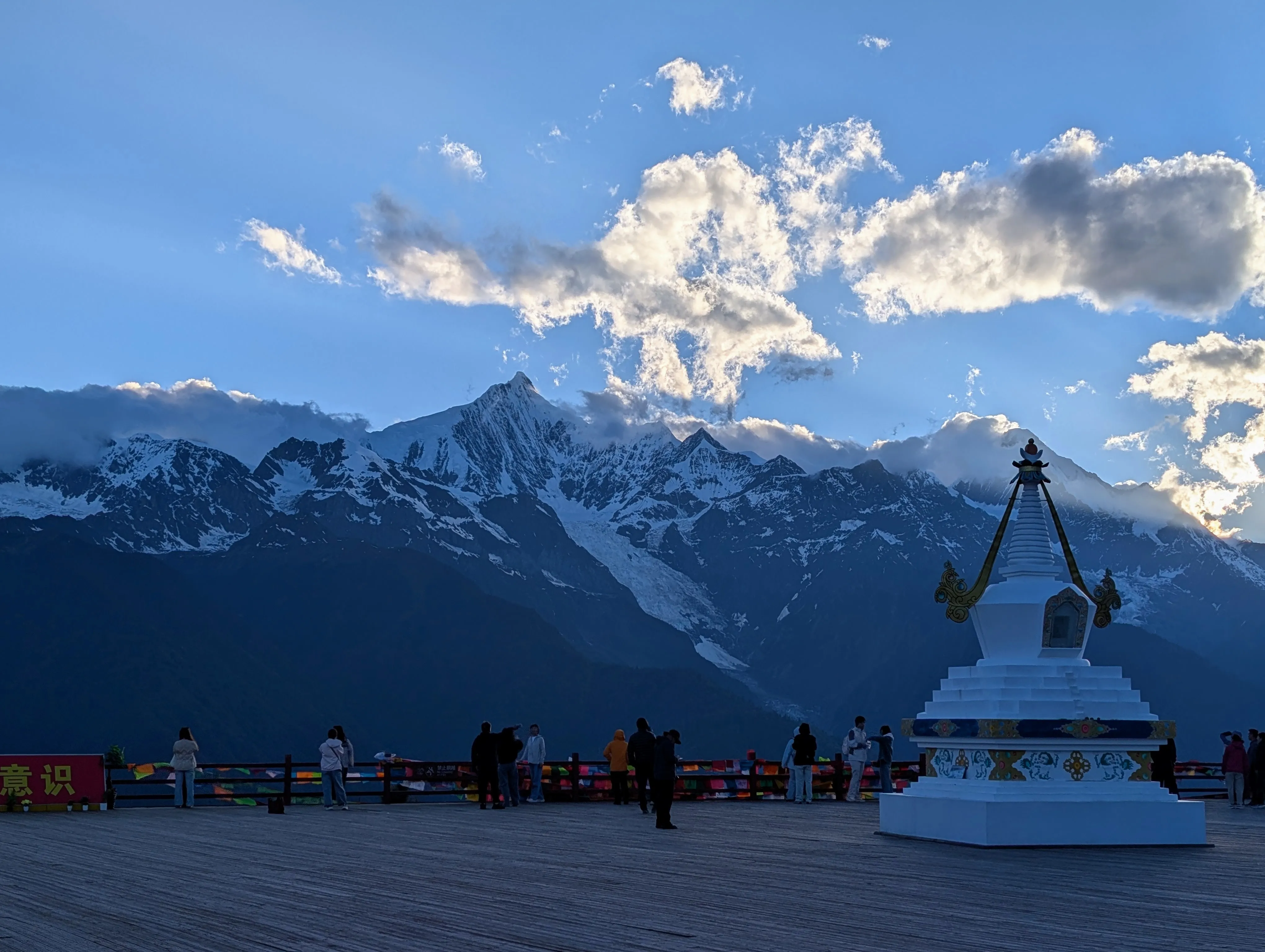 Kawagarbo, a sacred Tibetan mountain.